Tai Chi Chuan’s 13 Movements and the Five Elements
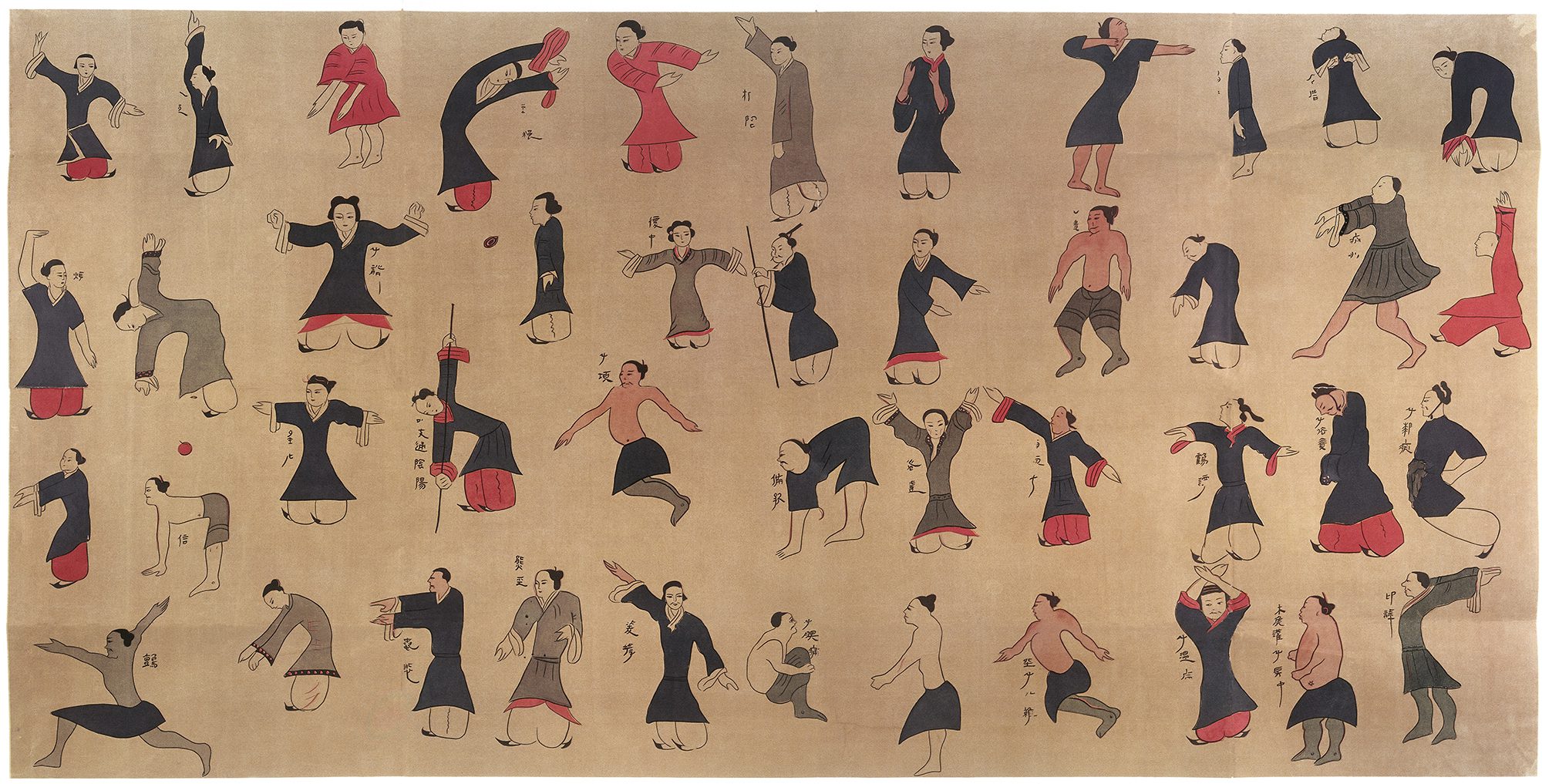
Tai Chi Chuan’s 13 Movements (Thirteen Postures) form the energetic foundation of all Tai Chi practice. They are made up of the Eight Energies (Peng, Lu, Ji, An, Cai, Lie, Zhou, Kao) and the Five Steps (advance, retreat, look left, look right, central balance). Together, they describe how we move, respond, and stay centered—physically, mentally, and energetically.
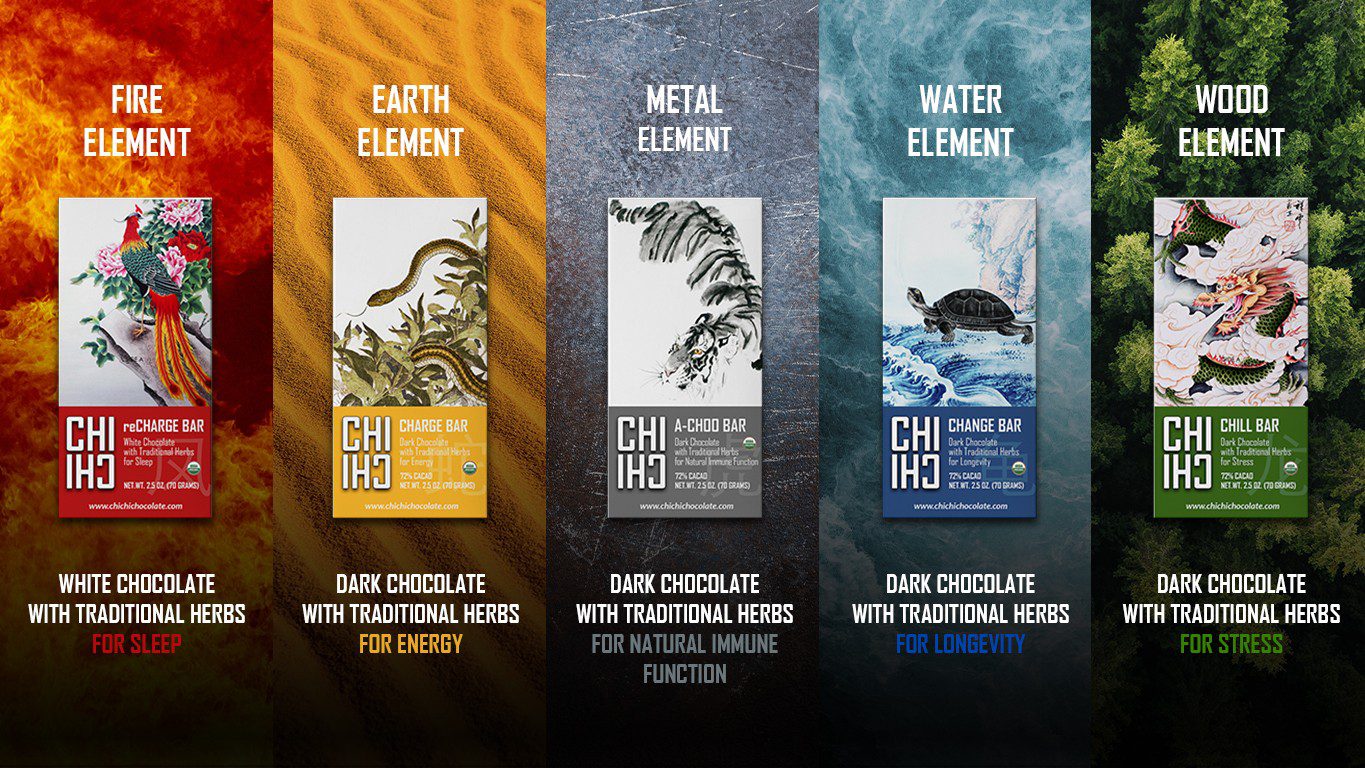
In Traditional Chinese philosophy, these movements naturally align with the Five Elements (Wood, Fire, Earth, Metal, Water). Each element reflects a quality of movement and intention: growth and expansion (Wood), expression and warmth (Fire), stability and grounding (Earth), refinement and structure (Metal), and yielding and restoration (Water). Practicing Tai Chi with elemental awareness helps harmonize the body with seasonal rhythms and internal balance.
Rather than isolating movements, Tai Chi teaches us to cycle through these elemental qualities—expanding, yielding, centering, refining, and resting—just as nature does throughout the year.
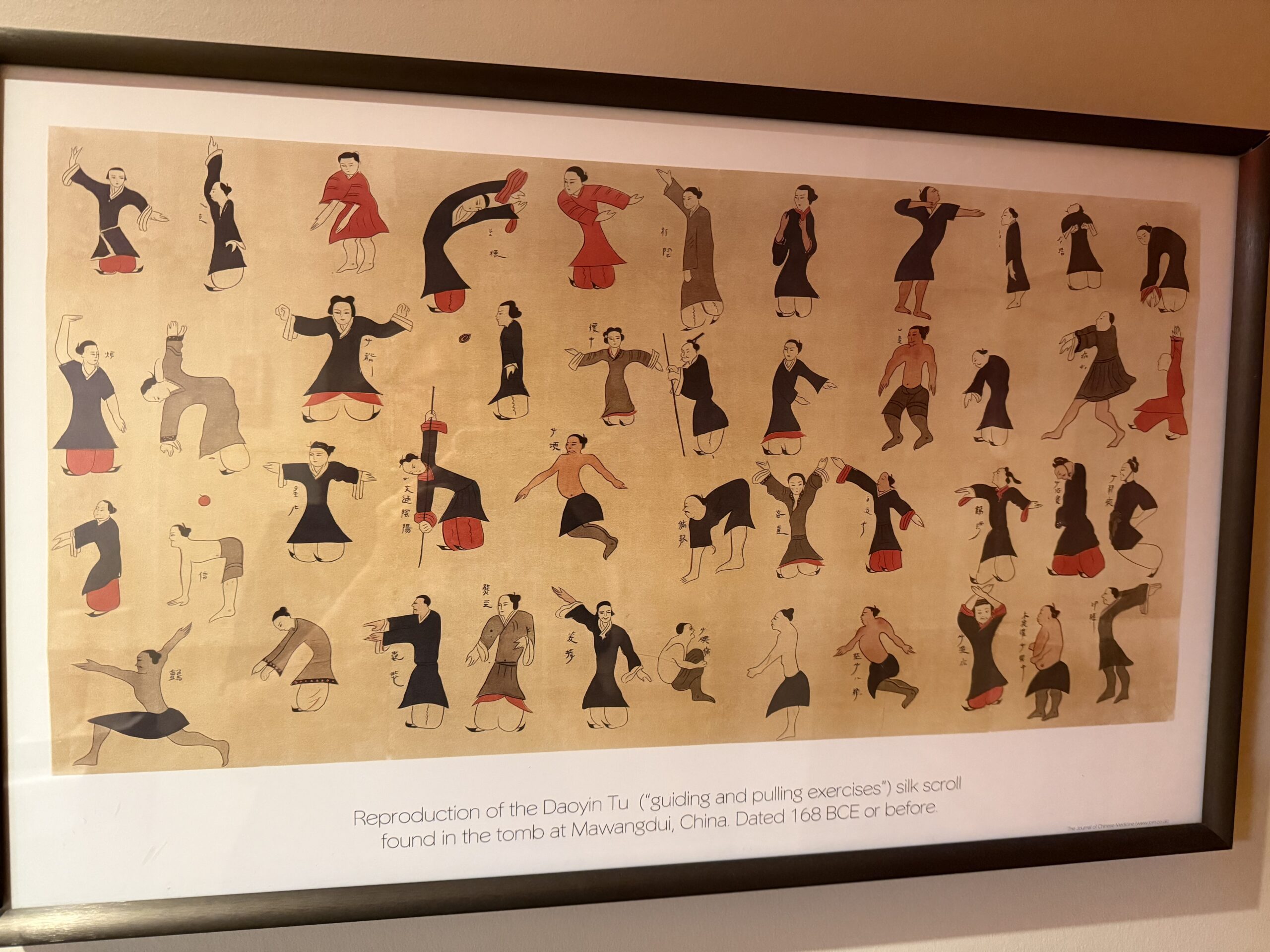
January
Tai Chi Movement: Central Equilibrium (中定 Zong Ding).
Balance, stillness, inner alignment. Zong Ding equals the deepest yin—winter’s still center, from which the new year’s energy will emerge.
February
Tai Chi Movement: Eye Focus (Right/Left Step, 右顧 Yo Pan / 左顧 Zo Gu).
Awareness and directional clarity. The turning steps symbolize awakening, vision, and the first stirring of spring — choosing a direction before nature bursts forth again.
March
Tai Chi Movement: Ward Off (掤 Peng)
Rising energy and protection. Peng expands outward like new shoots in spring, symbolizing strength with softness.
April
Tai Chi Movement: Roll Back (捋 Lu)
Yielding, redirecting force. Lu teaches flexibility and adaptation—mirroring spring winds and the fluid movement of new life.
May
Tai Chi Movement: Press (擠 Ji / Gi)
Focused, forward intention. Ji embodies directed energy and collaboration, mirroring nature’s full bloom and rising heat.
June
Tai Chi Movement: Push (按 An)
Releasing force with calm authority. An spreads energy outward, like summer’s expansive warmth and vibrant yang.
August
Tai Chi Movement: Split (裂 Lie)
Separating and clarifying. Lie represents sorting, dividing, and distinguishing like late summer’s refinement and preparation.
July
Tai Chi Movement: Grasp / Pluck (採 Tsai)
Drawing in what is useful. Tsai reflects harvest energy, selective, intentional, gathering nourishment from the environment.
September
Tai Chi Movement: Elbow Strike (肘 Zhou)
Close-range power, crisp intention. Zhou embodies autumn’s clarity — sharp, efficient, letting go of excess movement.
October
Tai Chi Movement: Shoulder Strike (靠 Kao)
Rooted, powerful stability. Kao expresses autumn’s condensed strength and internal fortitude, like trees releasing their leaves.
November
Tai Chi Movement: Retreat Backward (退步 Tui Bu)
Strategic withdrawal. Reflects early winter’s inward pull — the wisdom of stepping back to conserve energy.
December
Tai Chi Movement: Advance Forward (進步 Jin Bu)
Rebuilding intention and forward movement. Symbolizes winter’s quiet renewal, the hidden potential preparing for return.
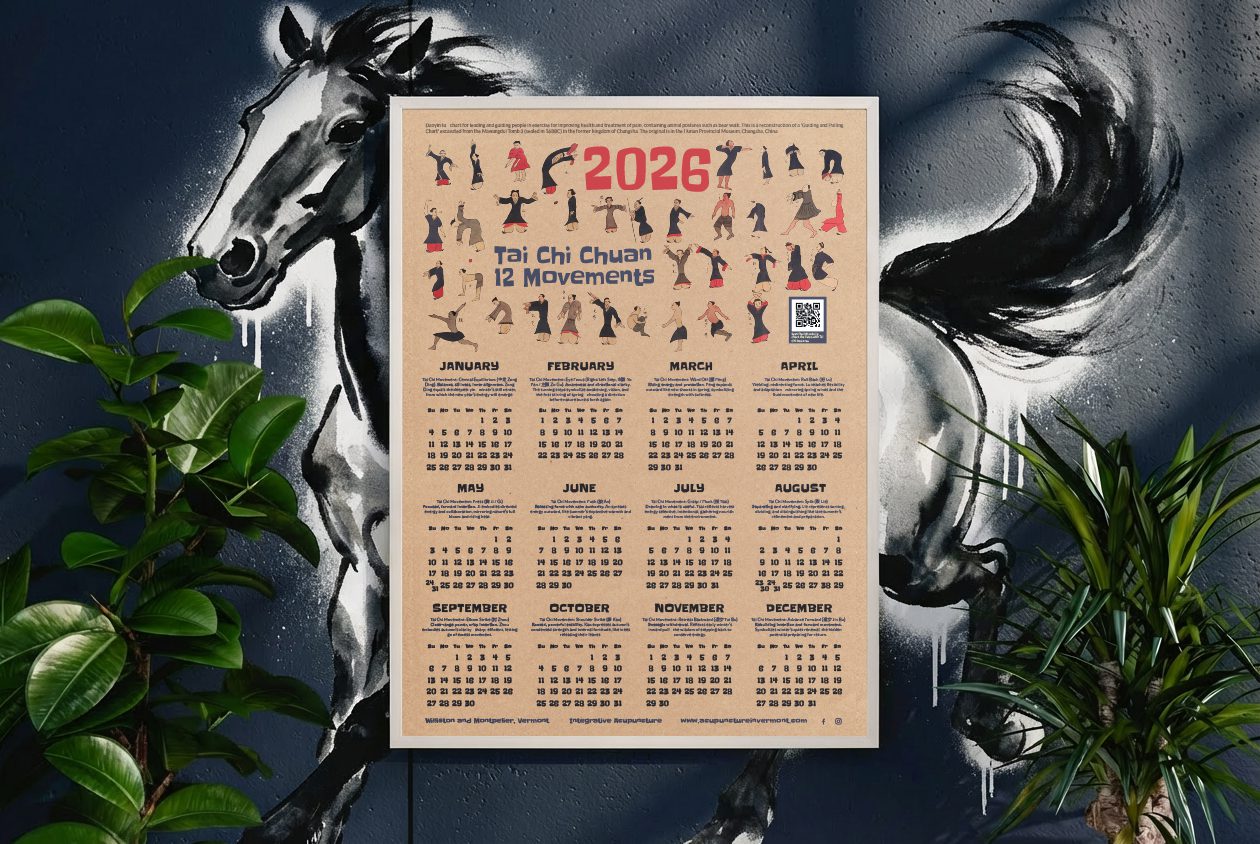
FREE Calendar 2026
We’ve created an A4-size poster with a 2026 calendar, honoring the Year of the Fire Horse — a symbol of movement and energy. Scan the QR code to watch guided Tai Chi Chuan techniques and enjoy practicing at home.