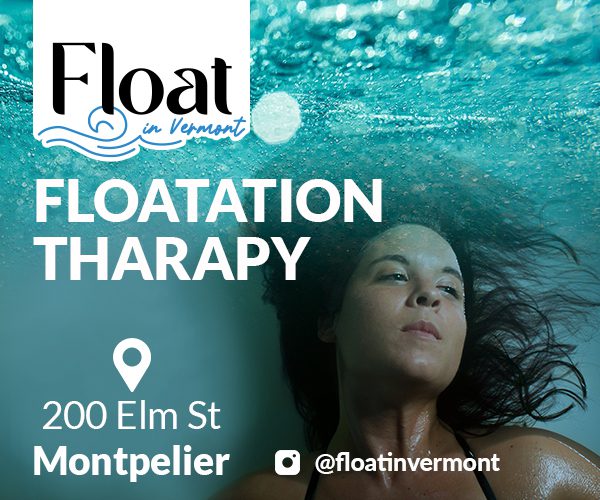

If you’ve ever wished for a way to hit the “reset” button on stress, float therapy may be exactly what your mind and body need. At Integrative Acupuncture, we’re always exploring modalities that complement acupuncture and Chinese medicine—especially those that help patients reduce stress, sleep better, and return to balance. Float therapy is one of those powerful tools.
What Is Float Therapy?
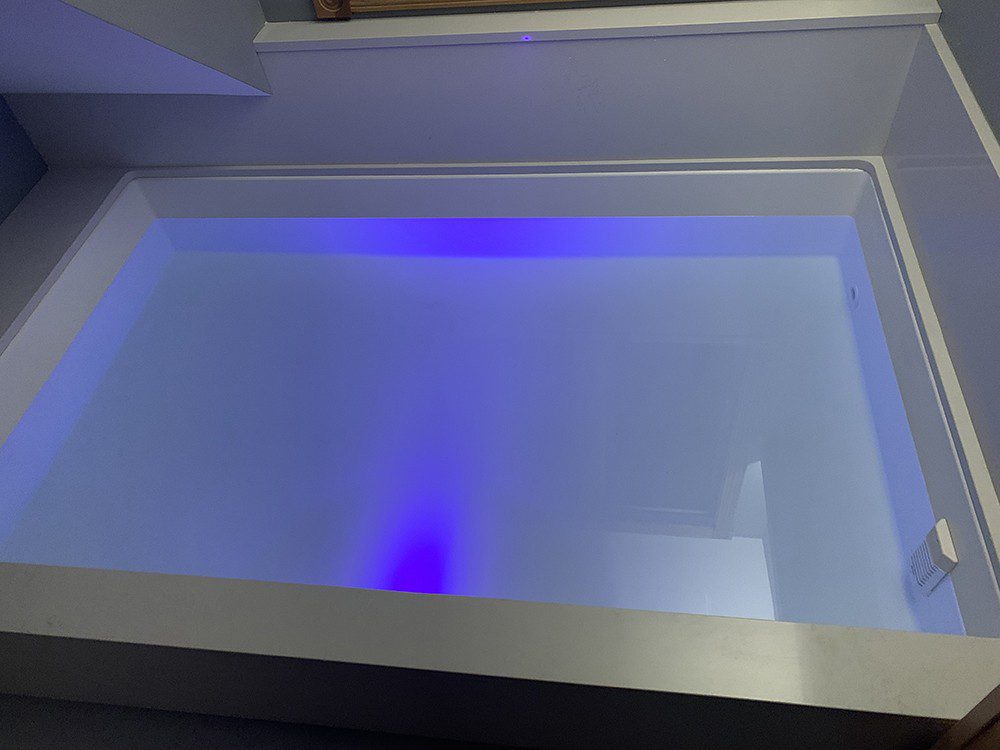
Float therapy (also called sensory deprivation or floatation REST—Restricted Environmental Stimulation Therapy) involves lying effortlessly in a warm, shallow pool of water saturated with Epsom salt. The high salt concentration creates buoyancy, allowing you to float with no effort. The tank or pod is designed to reduce external stimulation—dim lights, quiet space, and warm water close to skin temperature.
This unique environment allows the nervous system to shift into a deeply restorative state. Think of it like giving your brain a rare opportunity to unplug and settle.
For an overview of floatation research, the National Institutes of Health (NIH) offers a helpful summary of floatation REST and its effects on stress and well-being (source).

How Float Therapy Supports Stress Relief
Many patients describe float sessions as the most relaxed they’ve felt in years. Here’s why:

1. Nervous System Downshifting
Float therapy encourages the body to shift from sympathetic (“fight-or-flight”) mode into parasympathetic (“rest-and-digest”) mode.
In simple terms: your stress response gets a break, and your body finally has room to recover.
A 2018 clinical study published in PLOS One found that even a single float session significantly reduced anxiety and improved mood in participants with anxiety disorders. The environment appears to reduce activity in the amygdala, helping calm the stress response.

2. Muscle Relaxation
Warm water plus the magnesium in Epsom salt helps ease tight muscles. While the body doesn’t absorb large amounts of magnesium through the skin, many people feel less muscular tension after floating—a combination of buoyancy, warmth, and deep rest.
Learn more about how we treat muscle tension with acupuncture here:
Acupuncture for Pain Relief

3. Improved Sleep
With stress levels lowered and muscles relaxed, many people experience better sleep for days following a float session. Good sleep is one of the body’s most powerful natural healing tools.
For more on sleep and acupuncture, explore:
Acupuncture for Insomnia
Float Therapy Through the Lens of Traditional Chinese Medicine (TCM)
In TCM, stress and overwhelm often relate to patterns such as:
- Liver Qi stagnation (emotional tension, irritability, stress)
- Heart Shen disturbance (anxiety, restlessness, trouble sleeping)
- Kidney depletion from long-term stress (fatigue, burnout)
Float therapy can support these patterns by creating conditions for Qi to circulate more freely and allowing the Shen (mind/spirit) to settle. The quiet, dark environment is especially nourishing for the Heart and Kidney systems, which thrive when the mind is calm and the senses have a chance to rest.

Float therapy doesn’t replace acupuncture—but together they can create a powerful pairing for nervous system regulation. Many patients find that floating before or after an acupuncture treatment helps deepen the overall therapeutic effect.
Medical Research: What We Know So Far
Current research on floatation REST is promising but still evolving. Some highlights:
- Stress & Anxiety: Multiple studies show significant reductions in anxiety, stress, and depression symptoms after float sessions. A systematic review in BMC Complementary Medicine and Therapies (2021) noted consistent improvements in relaxation and mood.
- Pain Relief: Research suggests float therapy may reduce pain and improve mobility in conditions like fibromyalgia and chronic muscle tension. A 2018 study in Pain Research and Management found improvements in pain intensity and quality of life.
- Sleep & Well-Being: Participants often report better sleep, improved mood, and reduced blood pressure for several days after a float session.
You can read more about ongoing research via the NIH and clinical trial registries.
What to Expect During a Float Session
Whether you’re new to floating or you’ve tried it elsewhere, here’s what you can expect at our clinic:
- Up to 60 minutes of effortless floating in warm, crystal clear, Epsom-salt water
- A quiet, low-stimulation environment designed for deep relaxation
- Time to transition in and out of the session, so your nervous system isn’t rushed
- Clean, private room with showers and everything you need
Most people feel relaxed and grounded after their first float, and the benefits often deepen with regular sessions.
Is Float Therapy Right for You?
Float therapy may be especially helpful if you’re experiencing:
- Stress or overwhelm
- Anxiety
- Muscle tension
- Sleep disturbances
- Chronic pain
- Burnout or fatigue
It’s also a wonderful complement to acupuncture, Chinese herbal medicine, massage therapy, and mindfulness practices.
If you’re unsure whether it’s right for your specific health concerns, we’re always happy to talk with you. Float therapy is generally very safe, but people with certain medical conditions—such as uncontrolled blood pressure, inner ear issues, or severe skin infections—should check with their healthcare provider first.
Ready for Deep Relaxation?
We’re delighted to offer float therapy as part of our integrative approach to wellness. Whether you’re seeking stress relief, nervous system recalibration, or a supportive complement to your acupuncture treatments, floating provides a unique pathway back to balance.
Experience deep relaxation and reset your nervous system—one float at a time.
To schedule a float or learn more, visit:
Book Float Therapy