At Integrative Acupuncture, we understand that deciding to grow your family can come with lots of hope … and sometimes frustration. In this blog post, we explore how acupuncture — rooted in thousands of years of Traditional Chinese Medicine (TCM) — may support fertility and reproductive health, both naturally and in concert with modern fertility treatments. Whether you’re new to acupuncture or already a returning patient, this article is meant to offer clear, grounded, and compassionate guidance.
What is Acupuncture (in TCM terms)?
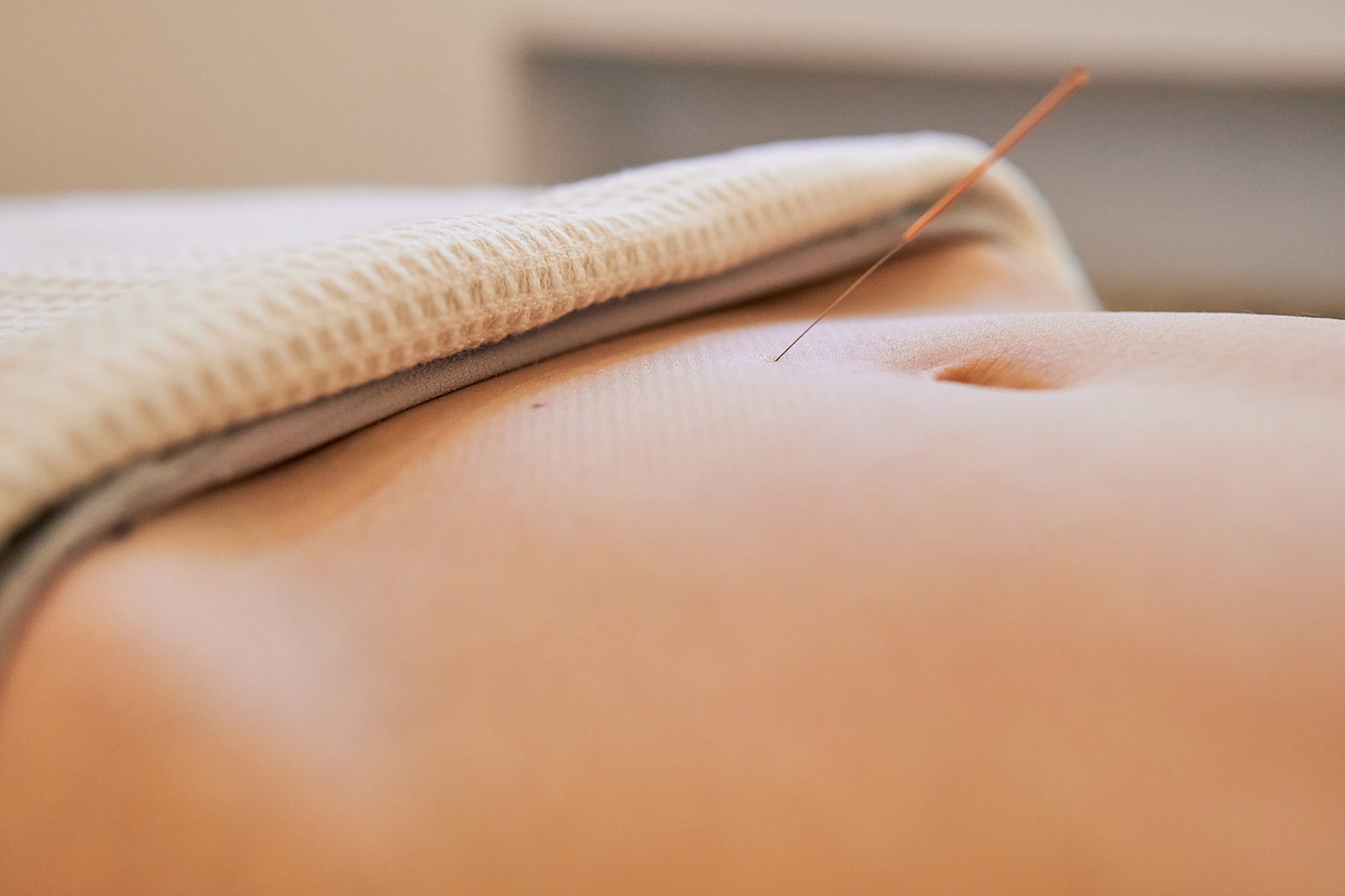
Acupuncture is a foundational modality of TCM. The basic concept is that our body is energized by a vital life force called Qi (pronounced “chee”). According to TCM, Qi flows through pathways or channels called meridians. When Qi flows smoothly in the body, we enjoy health, balance, and vitality. When it becomes blocked, deficient, or imbalanced — due to stress, lifestyle, emotional strain, or underlying health issues — symptoms or disease may emerge. Practitioners insert very thin, sterile needles into specific spots on these meridians (called acupoints) to encourage better flow of Qi and restore balance.
From a more Western-friendly perspective, acupuncture may stimulate the nervous system, prompting the release of natural pain-relieving and mood-regulating chemicals (like endorphins), improving circulation, and promoting overall relaxation and balance. You can read more about acupuncture for fertility here.
Acupuncture offers a deeply holistic and individualized approach — considering not only the reproductive organs but the body as a whole (physical, emotional, and energetic).
Why People Use Acupuncture for Fertility
Many patients come to us hoping to support conception, regulate cycles, improve overall reproductive health, or to reduce the stress and emotional weight that often accompanies fertility challenges. Here are some of the most commonly cited reasons:
- Regulating the menstrual cycle and supporting hormonal balance. Irregular cycles, hormonal disturbances, or ovulatory issues are common obstacles to fertility. You can read about how acupuncture can help restore balance and support more regular cycles.
- Improving blood flow to reproductive organs. Good blood circulation nourishes the uterus and ovaries — which may support follicle (egg) development, endometrial (uterine lining) health, and overall reproductive function.
- Supporting sperm health (for male fertility). For couples where male-factor infertility plays a role, acupuncture may help improve sperm count, motility, and overall semen quality.
- Reducing stress, anxiety, and emotional burden. Trying to conceive — especially when facing infertility or undergoing fertility treatments — can be emotionally taxing. Acupuncture is widely used for stress relief and may help calm the nervous system, support better sleep, and reduce the physical and emotional tension that sometimes interferes with fertility. Curious about acupuncture for stress you can read more here.
- Complementing modern fertility treatments (like IVF). For those pursuing assisted reproductive technologies, acupuncture can serve as supportive, integrative care — helping address overall wellbeing, stress, circulation, and readiness of the body.
How We Approach Fertility Care at Integrative Acupuncture
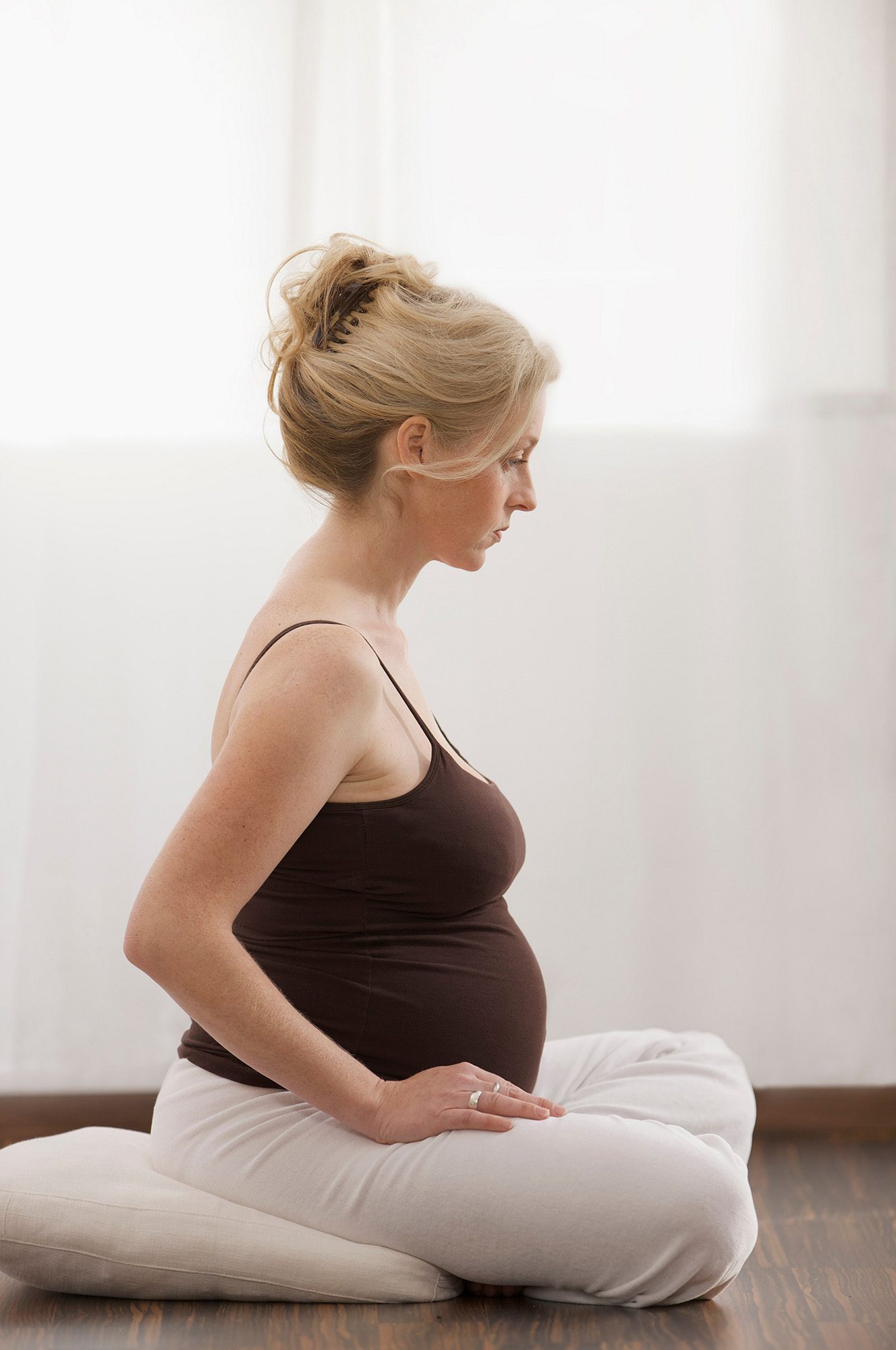
At Integrative Acupuncture, if you’re exploring fertility support, we take a personalized, holistic, and integrative approach. Here’s what that might look like:
- Comprehensive intake & cycle tracking — We begin by understanding your full health history, past cycles, review lab work, lifestyle, diet, stressors, and any fertility treatments you are pursuing (or plan to).
- Customized treatment plan — Based on your unique pattern (according to TCM diagnosis + Western medical history), we choose acupoints, frequency, and timing that best support your reproductive health. For someone hoping to conceive naturally, this may mean treatment through multiple menstrual cycles; for someone undergoing IVF, we may align treatments with stimulation, embryo transfer, and according to safety guidelines. Although any of our offices can serve clients seeking fertility care, we also have acupuncturists that work with specialists at Northeastern Reproductive Medicine (NERM) in Colchester VT! You can read more about our collaboration with NERM here. For countless clients, acupuncture is the intervention that helped turn their dream family into a reality.
- Lifestyle, stress, and emotional support — Because stress reduction is such an important benefit of acupuncture, we often pair treatments with gentle lifestyle guidance (rest, nourishment, sleep, mindfulness) to support overall balance.
- Collaboration with your healthcare team — We encourage open communication with your OB/GYN, reproductive endocrinologist, or fertility specialist. Acupuncture is designed to complement — not replace — conventional fertility care.
If you’d like to learn more about how acupuncture fits with fertility treatments like IVF or IUI, check out our page on Acupuncture and Fertility.
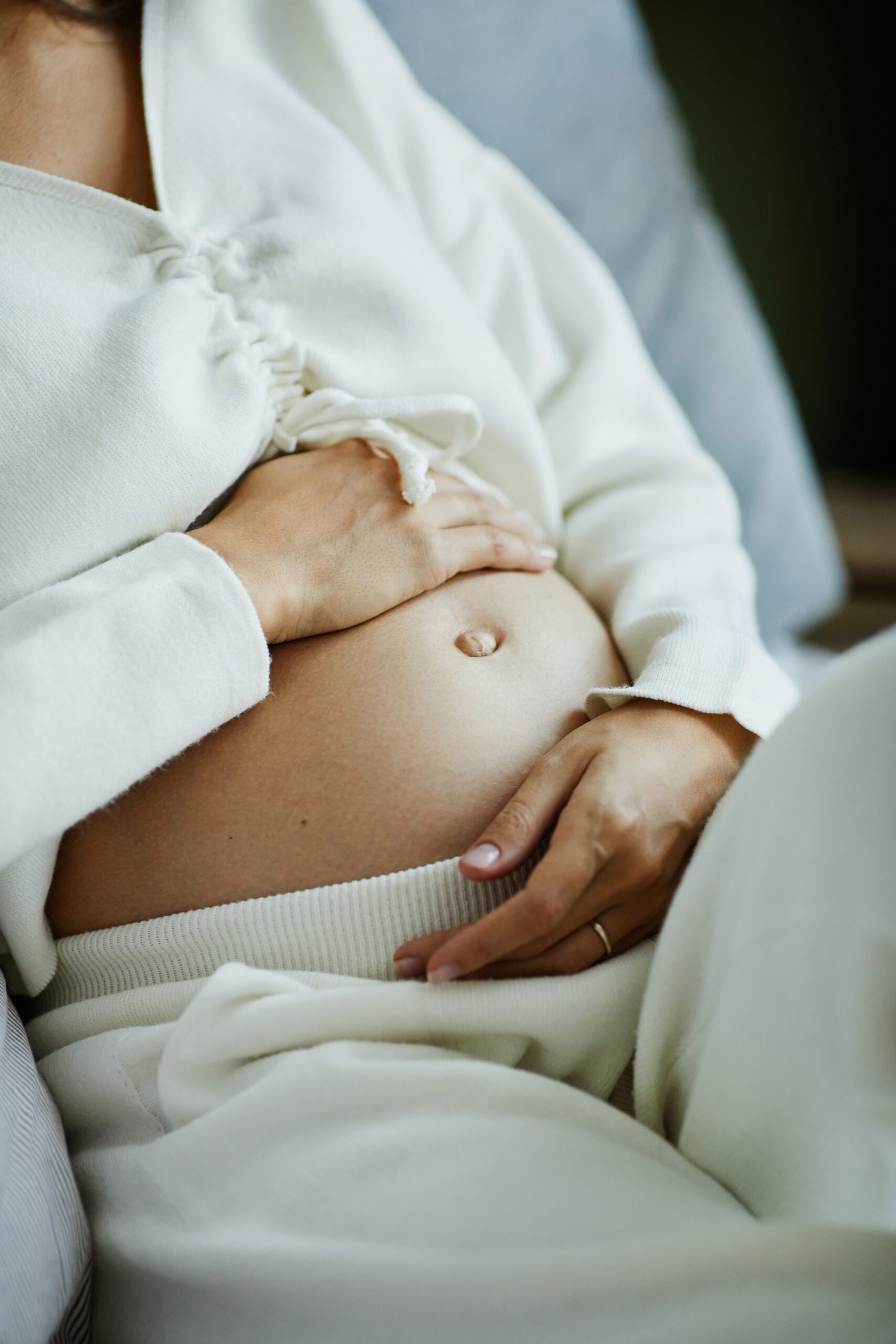
Practical Advice & When to Consider Acupuncture
If you’re thinking about acupuncture for fertility, here are some friendly guidelines:
- Start early. For natural conception, beginning acupuncture a few cycles before you hope to conceive gives the body time to balance and build resilience.
- Stick with it for a few months. Because reproductive health changes gradually, ongoing care over several cycles tends to be more effective than a single treatment.
- Use acupuncture as a supportive tool — not a guarantee. Think of it as part of a broader fertility-support plan: nutrition, sleep, stress management, conventional medicine when needed — and self-care.
- Seek a qualified, experienced practitioner — ideally one who has worked with fertility before and understands both TCM principles and reproductive health.

We also address men’s infertility which is less talked about but can be a contributing factor in couples trying to conceive!
Final Thoughts
Acupuncture offers a gentle, holistic, and patient-centered pathway for people hoping to support their fertility. While research continues to evolve — and we can’t promise a “surefire” outcome — many people benefit from its capacity to reduce stress, support hormonal balance, improve circulation, and encourage emotional and physical wellbeing.
If you found this article helpful, you might also enjoy our related posts:
Acupuncture can help reverse infertility.
How does Acupuncture work for infertility.
As always, feel free to reach out with any questions — we’re honored to accompany you on this journey. Book your appointment here.