
As the days grow shorter and sunlight becomes scarce, many people notice changes in mood, energy, and motivation. For some, these shifts are mild; for others, they can be more pronounced, leading to Seasonal Affective Disorder (SAD) — a type of depression that follows a seasonal pattern, typically appearing in late fall or winter.
In Traditional Chinese Medicine (TCM), these seasonal changes aren’t just environmental — they influence our body’s energy, emotions, and overall balance. Understanding how TCM views this pattern can offer new ways to restore harmony and find light during darker months.
What Is Seasonal Affective Disorder (SAD)?
According to the National Institute of Mental Health (NIMH), SAD is a form of depression that occurs at the same time each year, most often in winter. Common symptoms include:
- Low mood or loss of interest in daily activities
- Fatigue or sluggishness
- Increased sleep or difficulty waking
- Cravings for carbohydrates or changes in appetite
- Difficulty concentrating
The most common treatments include light therapy, counseling, and medication. However, many people find that integrative approaches—such as acupuncture, herbal medicine, and lifestyle changes—can provide additional support and relief.
How TCM Understands Seasonal Affective Disorder
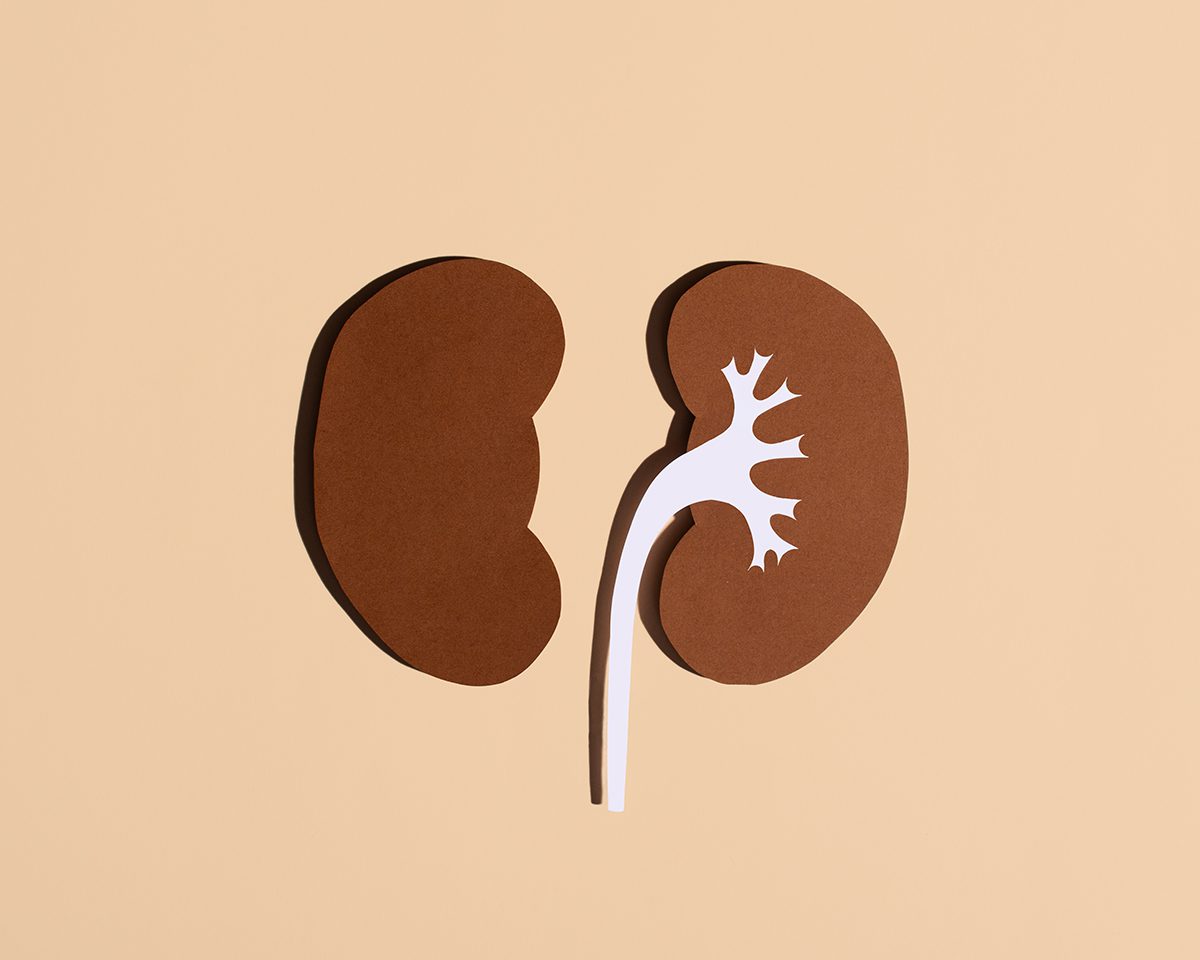
In TCM, emotional and physical health are closely linked to the balance of Qi (vital energy) and the harmony of the organ systems. During winter, the Water Element (Kidneys and Bladder) dominates. This season is naturally associated with introspection and rest, but when the body’s Qi becomes stagnant or depleted, feelings of low energy, sadness, or fear may arise.
Additionally, reduced sunlight can weaken Yang energy—the warming, active force in the body—leading to fatigue, heaviness, and low motivation. Supporting Kidney Yang and gently moving Qi through acupuncture and herbs can help counteract this imbalance. To learn more about kidney health in winter read our blog post “How to have healthy kidneys in winter.”
How Acupuncture Can Help

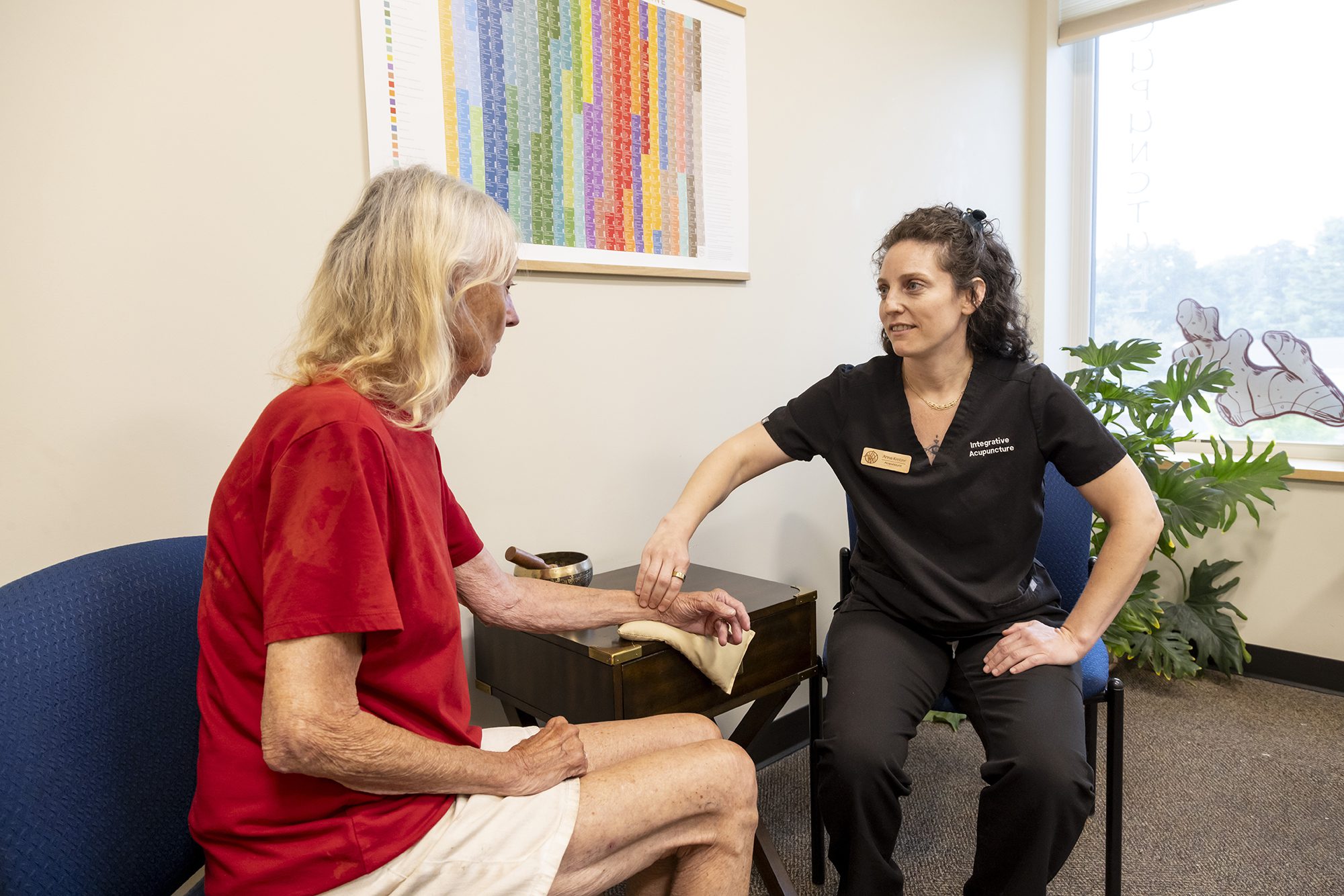
Acupuncture works by improving the flow of Qi and blood throughout the body and calming the nervous system. From a biomedical standpoint, acupuncture has been shown to influence the release of neurotransmitters such as serotonin and endorphins, which play key roles in mood regulation.
A 2020 systematic review in Frontiers in Psychiatry found that acupuncture may reduce symptoms of depression by modulating the body’s stress response and improving sleep quality.
At Integrative Acupuncture, treatment plans are tailored to the individual—addressing not just mood symptoms, but also underlying imbalances such as fatigue, insomnia, or digestive issues that can accompany SAD.
Herbal and Nutritional Support
Chinese herbal medicine offers additional ways to support energy, digestion, and emotional balance. Herbs such as Xiao Yao San (Free and Easy Wanderer) are traditionally used to move Liver Qi and ease mood fluctuations, while formulas that warm and tonify Kidney Yang can help restore motivation and vitality during winter.
Nutrition also plays a key role. In TCM, cold and raw foods are thought to weaken digestion and drain energy during the colder months. Instead, choose warming, nutrient-rich foods such as:
- Soups and stews with root vegetables
- Whole grains like oats, millet, and brown rice
- Warming spices like cinnamon, ginger, and nutmeg
- Protein sources such as eggs, lentils, or fish
Lifestyle Tips for Managing SAD Naturally
Small, intentional changes can make a big difference during the darker months. Try incorporating these practices:

1. Get Outside Daily
Even a short walk in daylight supports mood, circadian rhythm, and Vitamin D levels.
2. Establish Consistent Sleep Routines
Go to bed and wake up at regular times to stabilize your body clock.

3. Stay Connected
Social interaction helps prevent isolation and lifts the spirit.

4. Consider Light Therapy
The Mayo Clinic notes that light therapy can help regulate serotonin and melatonin levels.
5. Schedule Regular Acupuncture
Weekly or biweekly sessions can help regulate mood, energy, and sleep patterns throughout winter.
Integrating Eastern and Western Perspectives
Both modern research and TCM agree that seasonal changes have a real effect on mood and physiology. While Western medicine focuses on neurotransmitters and circadian rhythms, TCM addresses the root imbalance—restoring the body’s energy flow and building resilience over time.
Together, these approaches create a comprehensive plan that supports both emotional and physical health throughout the winter season.


When to Seek Help
If your mood symptoms are severe or persistent, it’s important to reach out to a licensed healthcare provider or mental health professional. Acupuncture and herbal medicine can be valuable additions to your care, but they work best as part of an integrated approach that includes medical support when needed.
For immediate help in a mental health crisis, call or text 988 to reach the Suicide and Crisis Lifeline, available 24/7.
Bringing Light Back Into Winter
Seasonal Affective Disorder is a reminder that our bodies and emotions are deeply connected to nature’s rhythms. By aligning with the wisdom of TCM—resting more, eating seasonally, and supporting the flow of Qi—you can ease winter’s emotional heaviness and cultivate balance until spring’s return. We would love to help you feel your best this winter. Book your visit today.