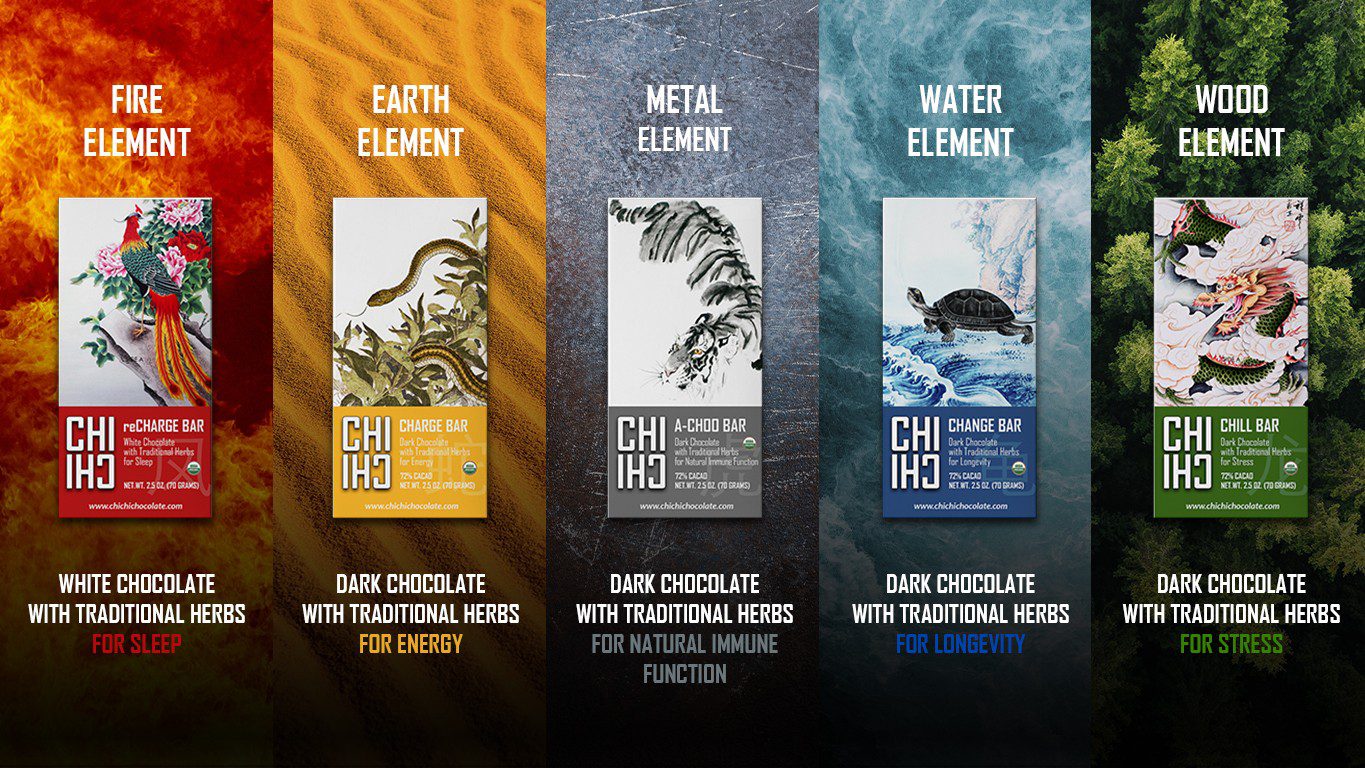


As the Winter Solstice approaches — the day of deepest darkness and longest night — nature invites us to slow down, turn inward, and restore. In Traditional Chinese Medicine (TCM), this moment in the seasonal cycle is profoundly meaningful. Winter is associated with the Water element, a time for deep replenishment, quiet contemplation, and nourishing the root of our vitality.
This season offers a beautiful opportunity to align with nature’s rhythm and care for your body, mind, and spirit with intention.

The Water Element: Rest, Reserves, and Inner Wisdom
In TCM, the Water element governs the Kidney system, which includes not only the physical kidneys but also our constitutional energy, bones, brain, ears, and reproductive system. More poetically, it relates to our deep reserves — what allows us to feel grounded, nourished, and able to meet life with steadiness.
During winter, the Kidney system is most vulnerable and most receptive to nourishment. Activities that cultivate stillness, such as resting more, gentle stretching, meditation, and acupuncture, are especially supportive.
Why Stillness Matters in Winter
Winter solstice marks the turning point toward increasing light, but it also reminds us that growth requires rest. In Chinese medicine, excessive activity, stress, or stimulation during the winter months can “tap the well” of Kidney energy more quickly.

Making intentional space for quiet can help:
- Reduce stress and calm the nervous system
- Improve sleep
- Support hormonal balance
- Strengthen immunity
- Nourish long-term vitality
For a gentle self-care reset, you might enjoy our post on Traditional Chinese medicine and Winter.
Acupuncture and the Winter Season
Acupuncture is wonderfully supportive at this time of year because of its ability to:

1. Regulate stress and the nervous system
Research suggests acupuncture can influence the autonomic nervous system and modulate stress hormones, which may help promote relaxation and improve sleep. National Institutes of Health has an excellent overview on acupuncture and how it works.

2. Support pain conditions that often worsen in cold weather
Many patients notice increased stiffness or pain in winter. Some studies indicate acupuncture can help manage chronic musculoskeletal pain, including low back pain and osteoarthritis. To learn more about acupuncture for pain you can read more here.

3. Strengthen overall resilience
By supporting circulation, digestion, and the Kidney system, acupuncture encourages the body to conserve and rebuild energy — exactly what winter asks of us.
Curious whether acupuncture can support your specific symptoms? Visit our page on conditions we treat.
The Winter Solstice as a Personal Ritual
The solstice is a wonderful time to pause and check in with yourself. Consider creating a simple ritual of stillness:

- Sip something warm and nourishing, like ginger or cinnamon tea
- Light a candle to honor the returning light
- Journal on what you want to release — and what you want to cultivate
- Place your hands on your lower abdomen and take slow, deep breaths (a powerful way to support Kidney energy)
Even 5–10 minutes of intentional quiet can feel deeply restorative. We have some wonderful tea sets and tea in our offices which can help you create a restorative ritual of making tea.
Winter Health Conditions: What Does Research Say?
Because winter places additional stress on the body, some conditions are more common this time of year — particularly seasonal affective disorder (SAD) and chronic pain flare-ups.
Seasonal Affective Disorder
SAD is linked to reduced daylight exposure and can affect mood, energy, and sleep. According to the National Institute of Mental Health (NIMH), treatments such as light therapy, psychotherapy, and vitamin D supplementation (when appropriate) are well-studied options. Acupuncture may help regulate sleep, reduce stress, and support mood, though more research is needed for definitive conclusions.
Winter-Related Pain
Cold weather is associated with increased pain perception for some individuals. The Arthritis Foundation notes that barometric pressure changes and cold temperatures may worsen joint symptoms for certain people. Acupuncture has been studied for chronic pain with promising results in large meta-analyses, but it should be part of a comprehensive care plan. As always, talk with your healthcare provider if you’re experiencing new or worsening symptoms.

A Season to Restore and Replenish
The Winter Solstice isn’t just the darkest day of the year — it’s a powerful reminder that rest is part of growth. Chinese medicine teaches that winter is not a time of stagnation but of deep inner cultivation. If you’d like support during this season, our practitioners would love to help you reconnect with inner stillness, strengthen your vitality, and enter the new year feeling grounded and nourished.