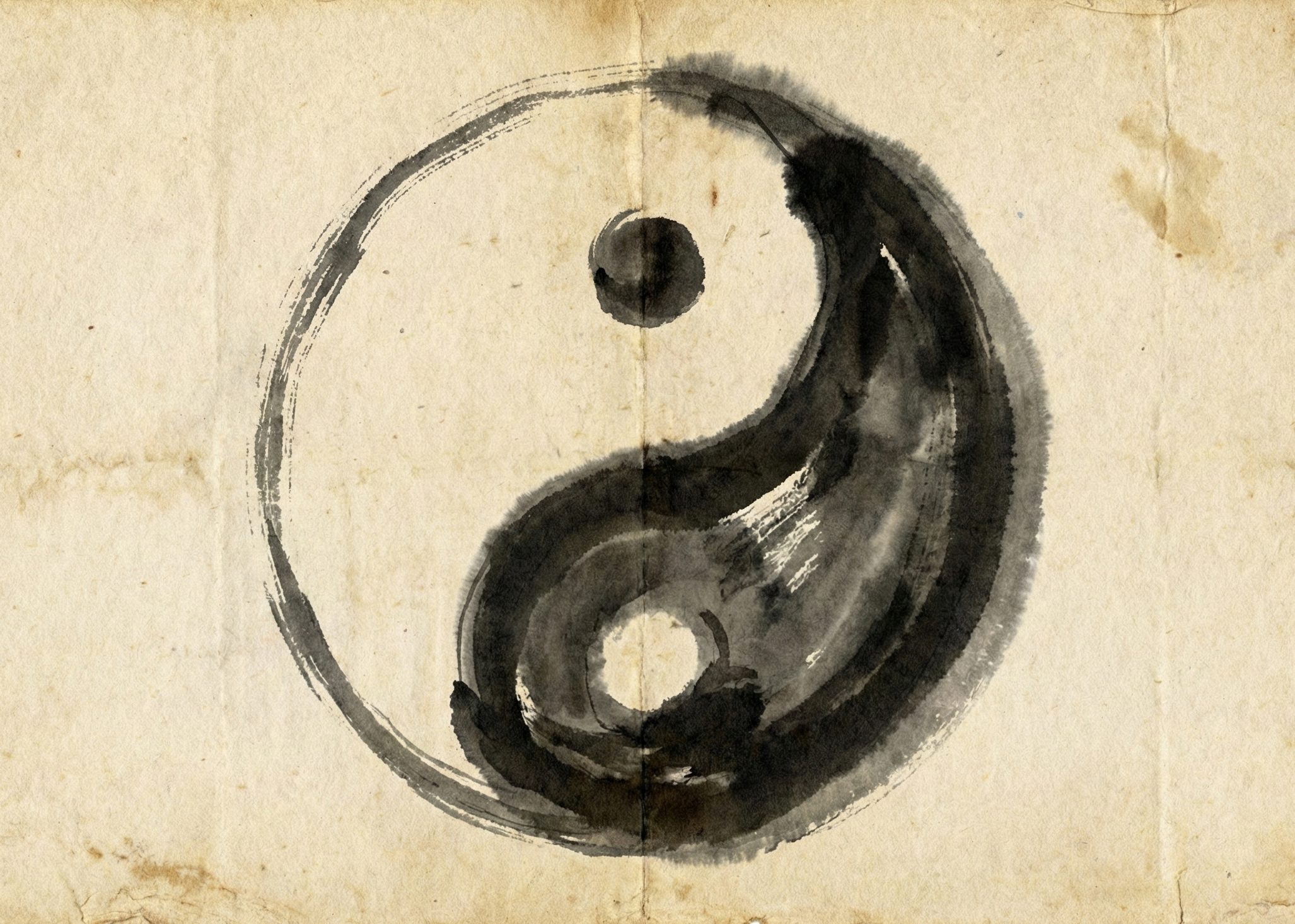
In Traditional Chinese Medicine (TCM), few ideas are as foundational—or as beautifully simple — as yin and yang. You’ve likely seen the iconic black-and-white symbol, but what does it really mean for your health, your energy, and your day-to-day life? At Integrative Acupuncture, we see these principles come alive in the clinic every day, guiding personalized treatments that help our patients feel balanced, resilient, and grounded.
In this article, we’ll explore what yin and yang truly are, how imbalances can show up in the body, and small ways you can support harmony in your daily routine.
What Are Yin and Yang? A Simple Explanation
Bringing Yin and Yang Into Your Daily Rhythm
Understanding yin and yang is less about mastering theory and more about noticing how your body responds to the world around you. Are you pushing too hard during a naturally yin time? Are you skipping rest in a yang-dominant season? Tuning into these cycles is a gentle, intuitive way to support your health.
If you’re curious how TCM approaches could help you feel more balanced, our team at Integrative Acupuncture would love to support you. Explore our offerings or schedule an appointment at Integrative Acupuncture.
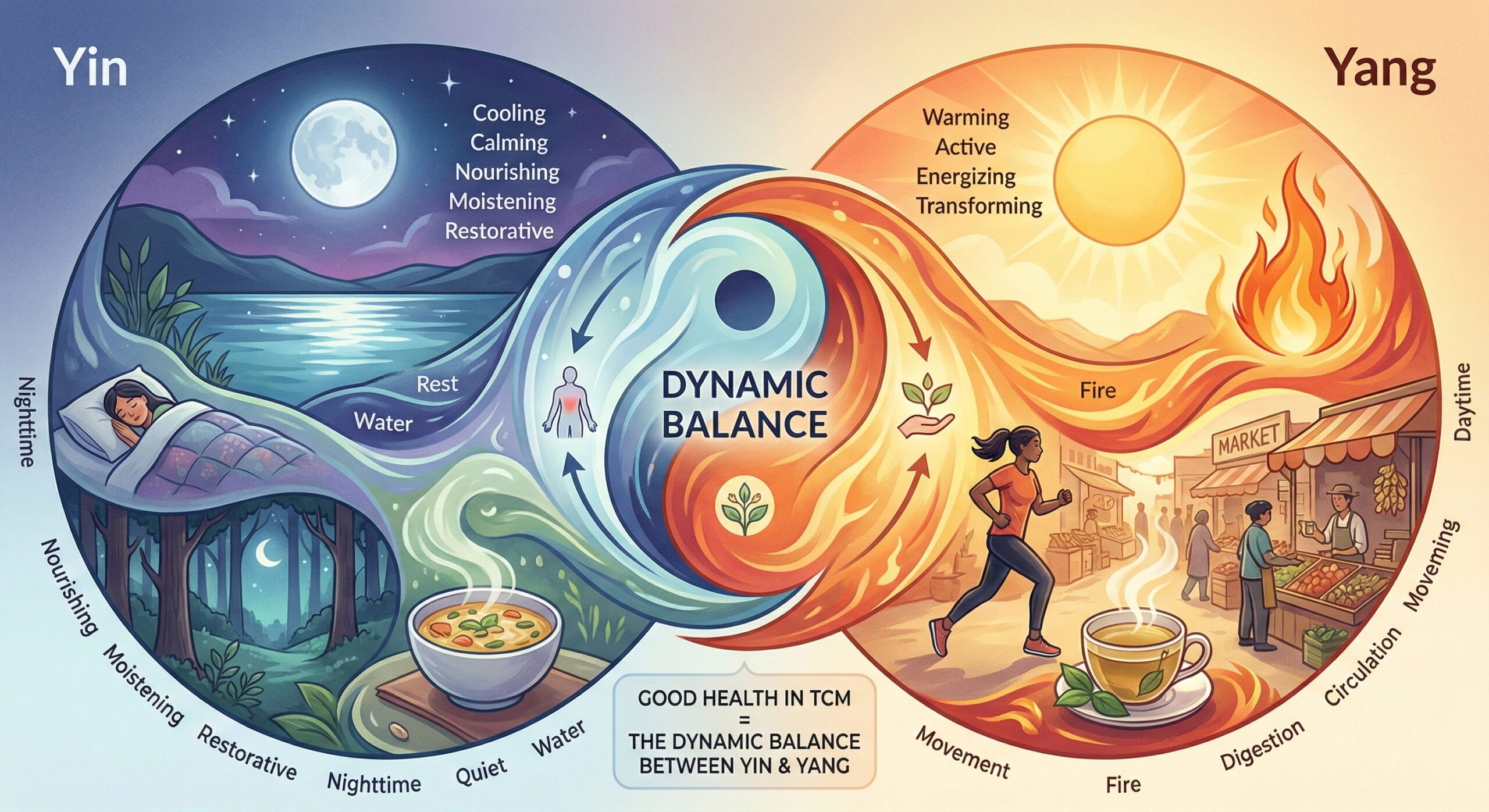
In TCM, yin and yang describe two complementary forces that exist in everything—your body, nature, the seasons, and your emotional life. They aren’t opposites fighting each other; rather, they work together in a dynamic partnership.
- Yin is cooling, calming, nourishing, moistening, and restorative.
Think: nighttime, quiet, water, rest, recovery. - Yang is warming, active, energizing, and transforming.
Think: daytime, movement, fire, digestion, circulation.
Good health in TCM is all about the dynamic balance between these two forces. When one gets too high or too low, symptoms can develop.
How Yin and Yang Show Up in Daily Life
TCM teaches that yin and yang ebb and flow throughout each day. You may notice:

Morning – Rising Yang
Your energy naturally rises as the sun comes up. This is an ideal time for movement, digestion, mental clarity, and productivity. A warming breakfast (oatmeal, eggs, miso soup) helps support yang.

Evening – Increasing Yin
As daylight fades, your body shifts toward rest, repair, and quieting of the mind. This is when yin takes the lead.
A gentle evening routine—stretching, quiet reading, or a warm bath—helps replenish yin, especially important if you tend to feel burnt out, wired, or restless at bedtime.

Seasonal Examples
- Summer: Yang season—hot, bright, active.
- Winter: Yin season—cold, dark, reflective.
Understanding these cycles can help you plan your activities, meals, and self-care for better balance.
Common Yin and Yang Imbalances
While TCM diagnosis is complex and individualized, some common patterns appear often in modern life.
Signs Your Yin May Be Low
- Feeling overheated or flushed
- Night sweats
- Restlessness or trouble sleeping
- Dry skin, dry eyes, or thirst
- Feeling “wired but tired”
Signs Your Yang May Be Low
- Feeling cold easily
- Low energy or sluggish digestion
- Brain fog
- Edema or water retention
- Craving warm foods and drinks
If you notice patterns that concern you, acupuncture and herbal therapy can help guide your system back toward equilibrium. Learn more about acupuncture for fatigue.
How Acupuncture Helps Restore Yin and Yang
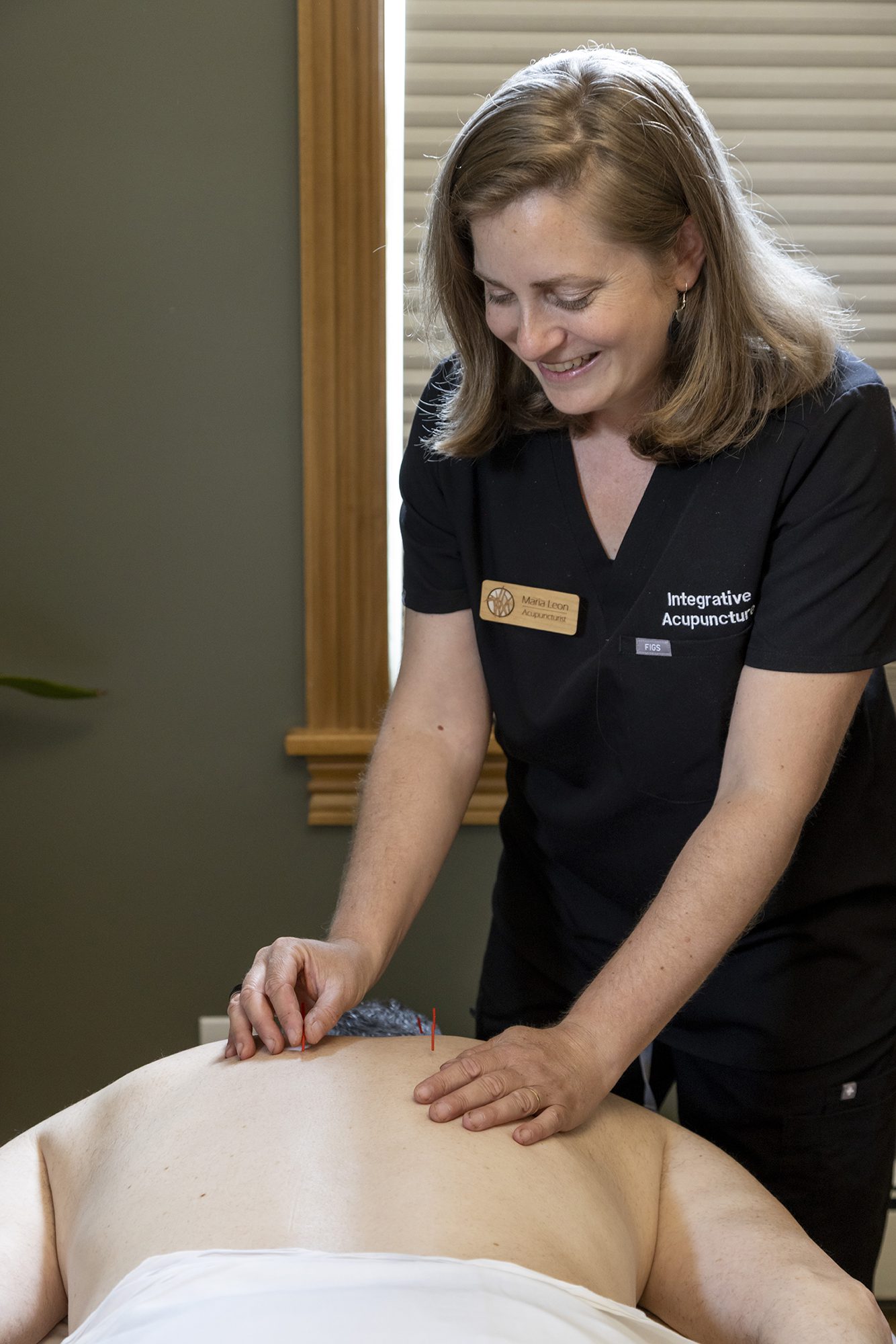
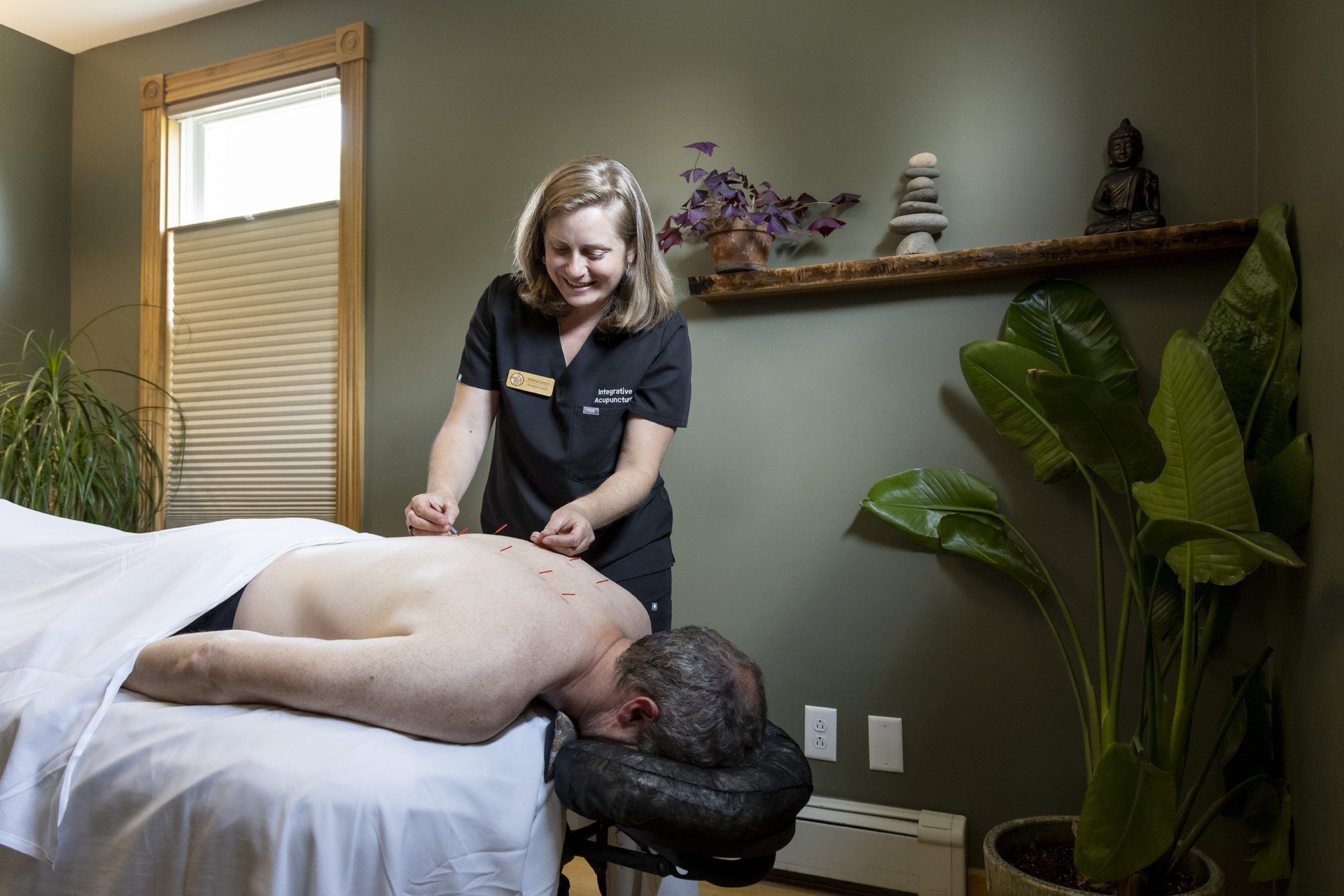
Acupuncture works by regulating the body’s qi (pronounced “chee”), or vital energy, and guiding it into smoother, more balanced flow. When qi circulates properly, yin and yang can harmonize.
Many patients experience:
- Improved sleep
- Better digestion
- Reduced stress
- More stable energy
- Relief from pain
For a deeper look at how acupuncture supports the nervous system, see our article on stress reduction with acupuncture. Float Therapy and Nervous System Reset is also available at our office.
Supporting Yin and Yang at Home
Ways to Nourish Yin
- Prioritize sleep and quiet downtime
- Eat cooling, moistening foods: berries, cucumbers, leafy greens, tofu, soups
- Practice restorative activities like gentle yoga or meditation
- Stay hydrated
Ways to Support Yang
- Get morning light exposure
- Move your body daily
- Eat warming foods: ginger, cinnamon, bone broth, roasted vegetables
- Keep your abdomen and lower back warm in cold months
Small, consistent habits are more effective than big, occasional efforts.
What Modern Research Says
While “yin” and “yang” are traditional concepts, researchers increasingly study their clinical applications—especially regarding stress, inflammation, sleep, and pain.
Acupuncture, a key method for restoring yin-yang balance, has demonstrated benefits in several well-studied areas:
- Chronic pain: According to the National Institutes of Health (NIH), acupuncture has evidence of effectiveness for low back pain, osteoarthritis, and headaches.
- Sleep quality: A 2021 review in Frontiers in Neurology found that acupuncture may improve insomnia symptoms by regulating nervous system activity.
- Stress and anxiety: Mayo Clinic notes that acupuncture may help reduce stress-related symptoms and improve overall well-being.
Though yin and yang themselves are conceptual rather than measurable biological markers, modern research supports the outcomes associated with harmonizing the body’s systems—better sleep, reduced pain, and improved emotional balance.