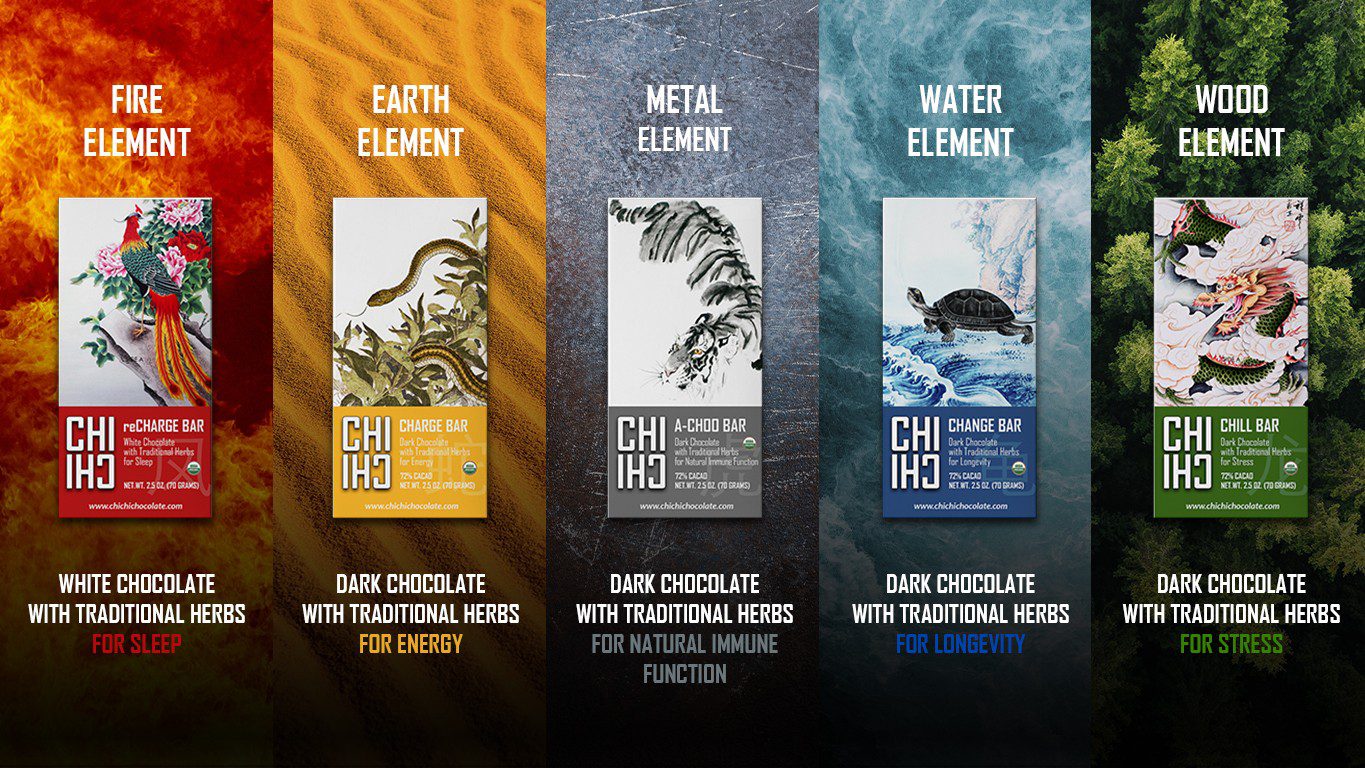
As the days grow shorter and the air turns crisp, many of us instinctively crave comforting foods and warm drinks. In Traditional Chinese Medicine (TCM), winter is associated with the Water element, a time for conservation, nourishment, and deep rest as the body prepares for renewal in spring. Warming meals and herbal teas can help support this natural rhythm by strengthening digestion, preserving vitality, and balancing internal energy—or Qi (pronounced “chee”).
Whether you’re new to TCM or have been on this path for years, these recipes and tea suggestions are designed to help you stay grounded and cozy during the winter months.
A Gentle Introduction to TCM Concepts
Before we dive into recipes, let’s briefly explore a few core TCM ideas in easy-to-understand terms:
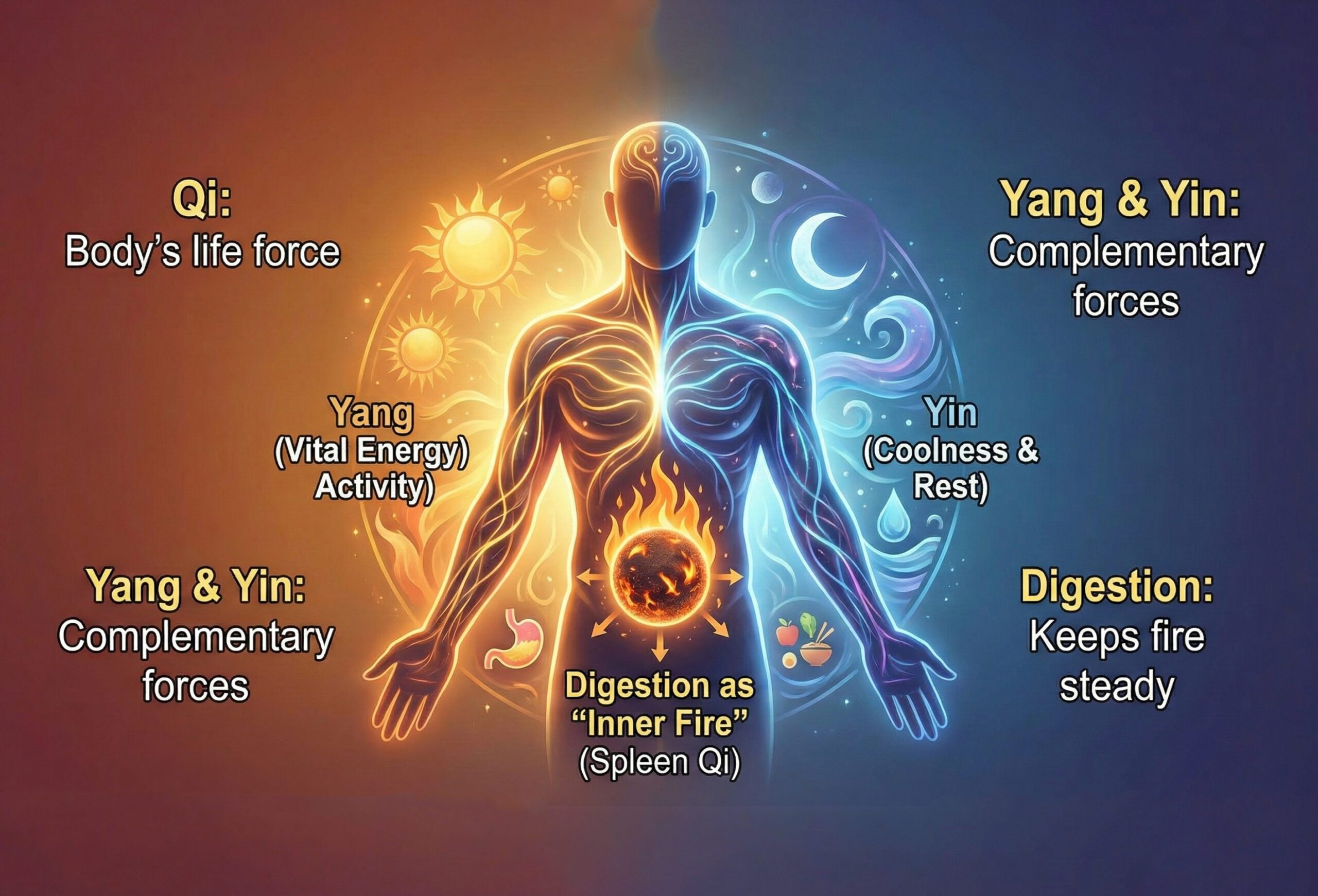
- Qi (Vital Energy): Think of it as the body’s life force that animates all physical and mental activity. In TCM, balanced Qi promotes health; stagnant or deficient Qi can contribute to discomfort or fatigue.
- Yang and Yin: These are complementary forces. Yang represents warmth and activity, while Yin reflects coolness and rest. In winter, we focus on supporting Yang—the warming and protective energy.
- Digestion as “Inner Fire”: TCM views digestion as a kind of internal fire (Spleen Qi). Keeping this fire steady helps the body process food, absorb nutrients, and maintain warmth—especially important in cold weather.
If you’re curious about the science of digestion and overall health, the Mayo Clinic has a helpful overview:
Winter Warming Recipes
Below are three nourishing recipes inspired by TCM principles. These help support digestion, fortify Qi, and bring warmth from the inside out.
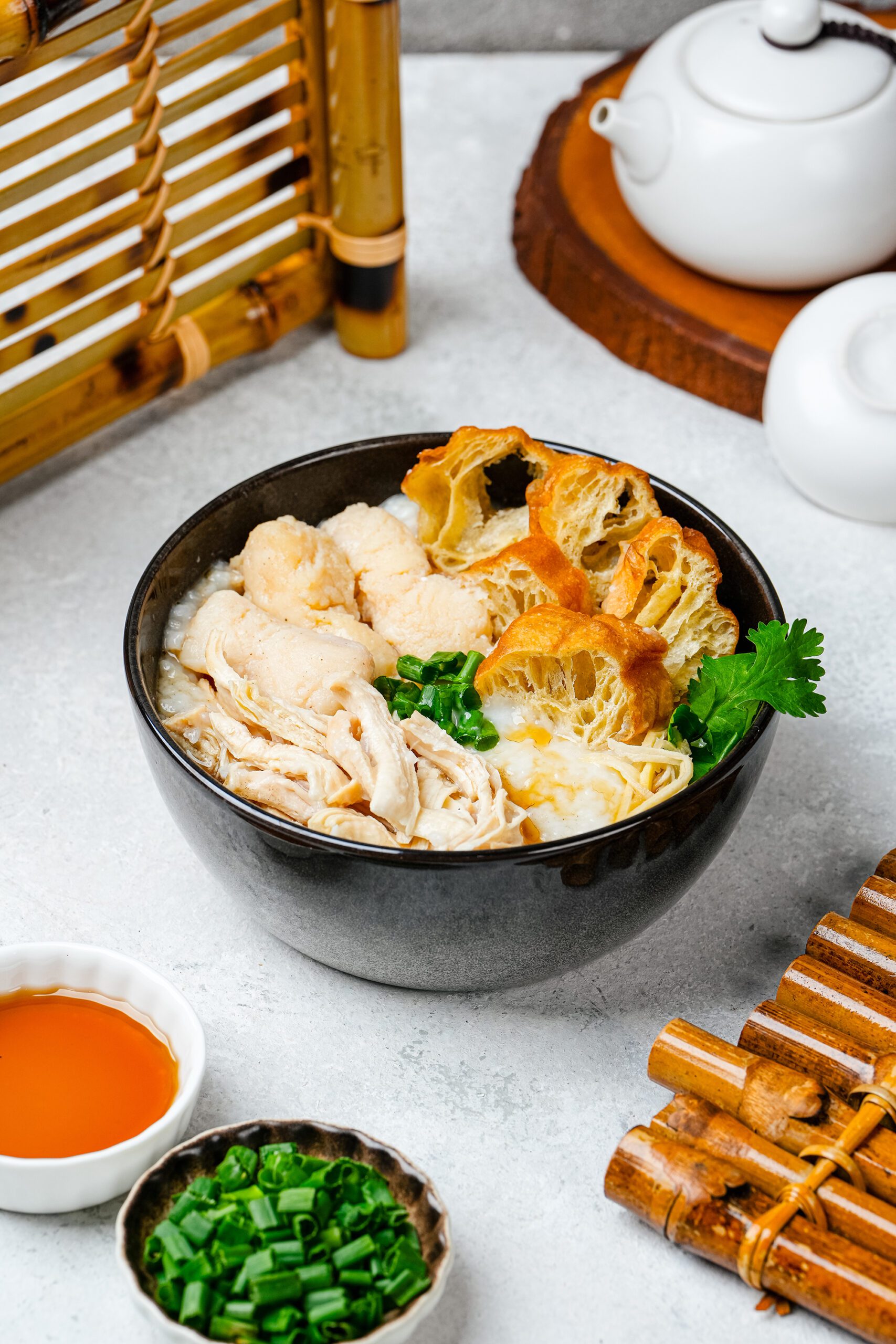
Traditional Chicken Congee
Healing, soothing and comforting, this traditional congee is what you may expect in a five star restaurant in Hong Kong or from a delicious street cart in Beijing. Come by the Cookoff and Jean-Luc just may dish out his secrets for creating the most tender chicken ever.
- ¾ cup/150 grams sushi rice
- 2 ½ quarts/2.5 liters chicken stock
- Salt
- Soy sauce, for serving
- Thinly sliced spring onions or scallions, green parts only, for serving
- Finely chopped fresh ginger, for serving
- Sesame oil, for serving
- 12 oz chicken
Kabocha Squash Congee
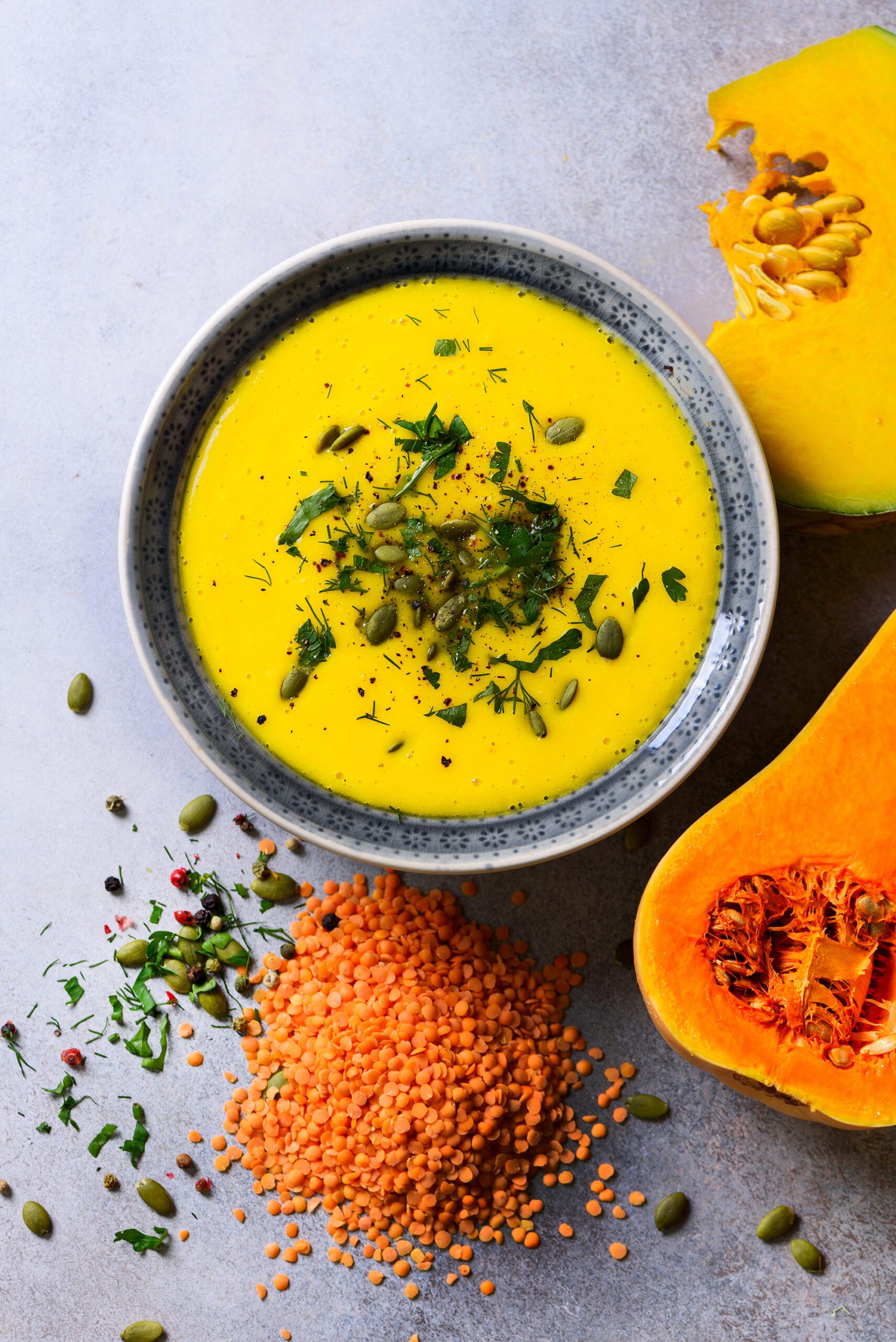
What is Kabocha Squash? It’s a squash that is known for its especially sweet flavor. Even sweeter than butternut squash. It has a light, fluffy, velvety texture, and tastes like a combination of sweet potatoes with pumpkin. It’s packed with nutrients like vitamins A and C, some B vitamins, fiber, magnesium, potassium, and antioxidants.
- 1 cup raw long-grain white rice, rinsed
- 7 cups vegetable stock
- 1/2 teaspoon kosher or sea salt, plus more for seasoning
- One-inch knob of ginger, peeled and sliced thin
- 1 small kabocha squash (about 2 1/2 pounds)
- Sliced green onion, for garnish
- Sesame seed oil or soy sauce, to taste (optional)
You can learn more about congees here.
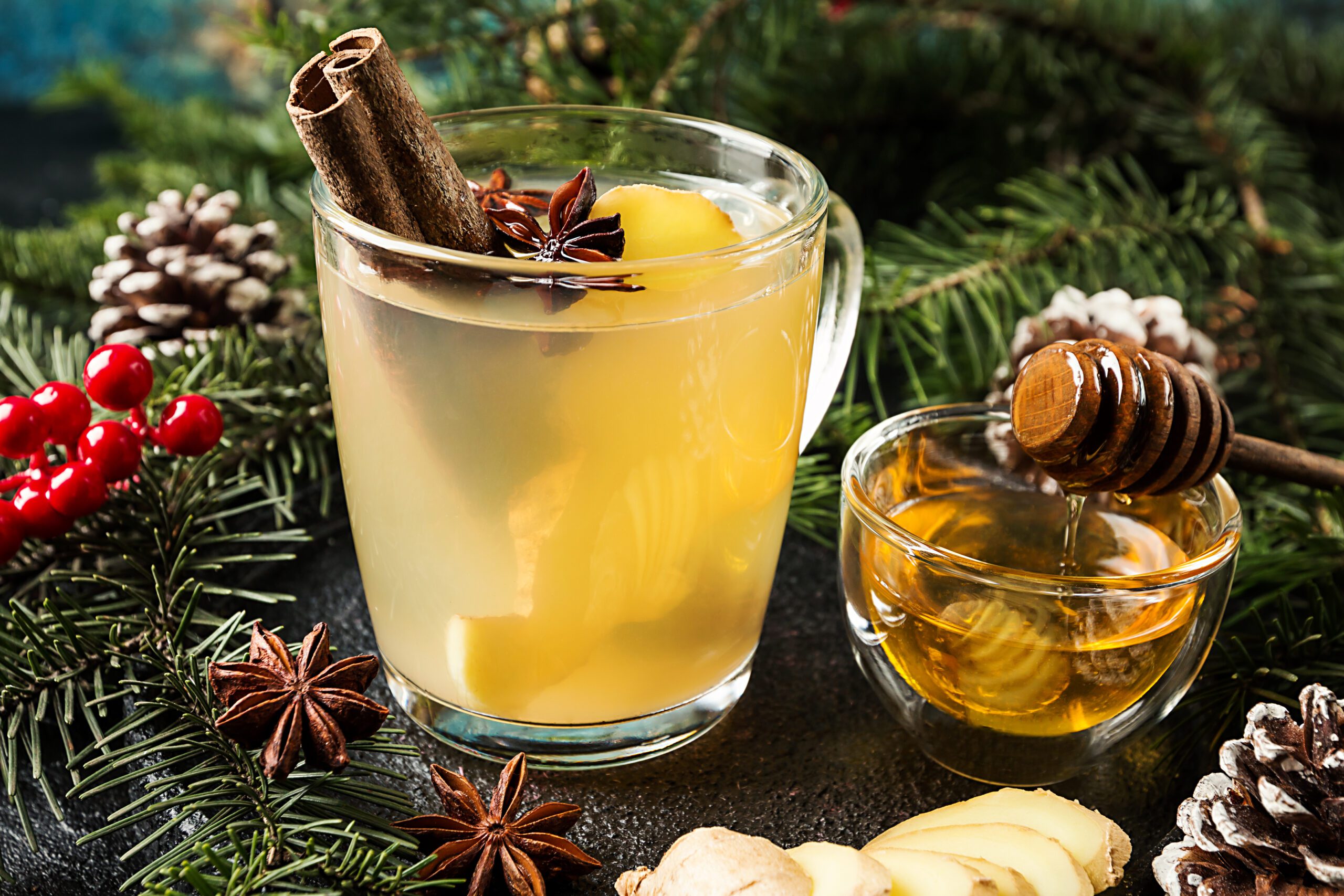
Herbal Teas for Winter Wellness
Warm beverages are more than comforting—they can also support circulation and balance internal climates.
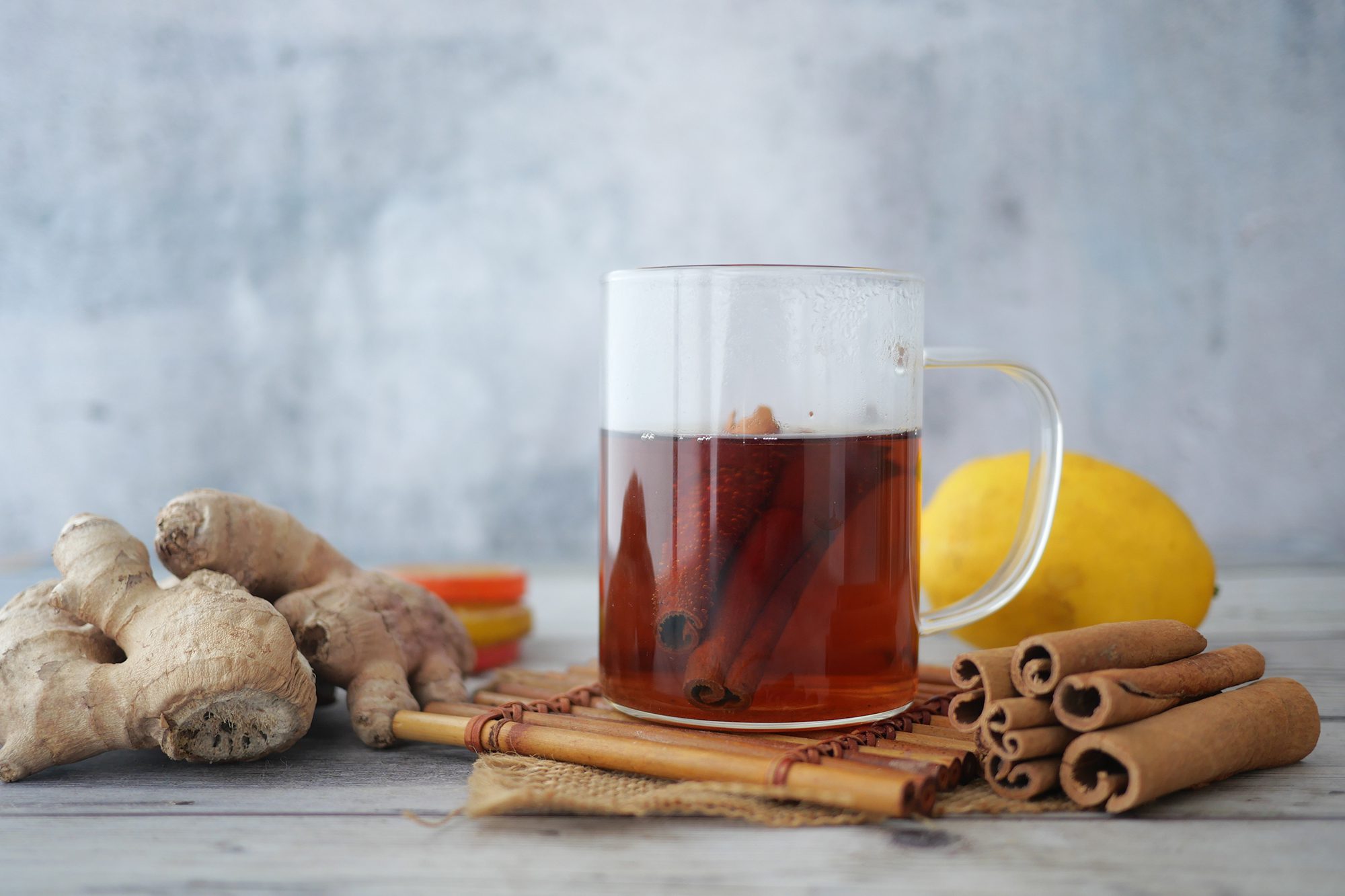
Ginger & Cinnamon Tea
Benefits: Warming, supports digestion, soothes chills.
Instructions: Steep 3–4 ginger slices + 1 cinnamon stick in hot water for 10 minutes. Add honey to taste.
We also have some blended tea available on our website and on site. Digest Ease is perfect for the wintertime. It can be added to any broth, drink it like a tea!
Winter Self-Care Tips (TCM Inspired)
To get the most out of your seasonal meals and teas:
- Eat warm meals rather than cold foods or smoothies.
- Move gently with walks or stretches to keep Qi flowing without overexertion.
- Rest well—winter favors conservation and deeper sleep.
Curious how acupuncture can support your wellness through the seasons? Learn more about our treatments and holistic approach.
Final Thoughts
Winter is a season to nourish—not just your body but your spirit. By combining simple, warming foods with mindful practices rooted in TCM wisdom, you can support your health in a way that feels both comforting and balanced. Whether you’re sipping ginger tea by the fire or savoring a bowl of congee, these recipes are here to help you thrive through the cold months.