

The holidays are often described as “the most wonderful time of the year,” but for many people, they can also bring stress, fatigue, and emotional ups and downs. Between family gatherings, financial pressures, travel, and expectations, it’s easy to feel overwhelmed.
Traditional Chinese Medicine (TCM) offers time-tested ways to restore calm and balance during this busy season. Through acupuncture, herbal medicine, and lifestyle practices, TCM helps regulate the body’s natural rhythms and emotional state — supporting not only your stress response, but your overall sense of wellbeing.
Understanding Stress from a TCM Perspective
In Western medicine, stress triggers a physiological cascade—raising cortisol, tightening muscles, and speeding up the heart rate. While short bursts of stress can be helpful, chronic stress has been linked to anxiety, insomnia, digestive issues, and immune suppression
In TCM, emotional health is inseparable from physical health. Each organ system governs both physical and emotional functions, and balance among them creates harmony. When one system is overworked—such as from ongoing stress—the flow of Qi (vital energy) becomes constrained. Over time, this stagnation can manifest as tension, irritability, digestive discomfort, or fatigue.
The Liver and Emotional Flow
During times of stress, the Liver is the organ most affected in TCM theory. Its main job is to keep Qi moving smoothly throughout the body. When stress, frustration, or worry interrupts that flow, we experience what practitioners call Liver Qi stagnation.
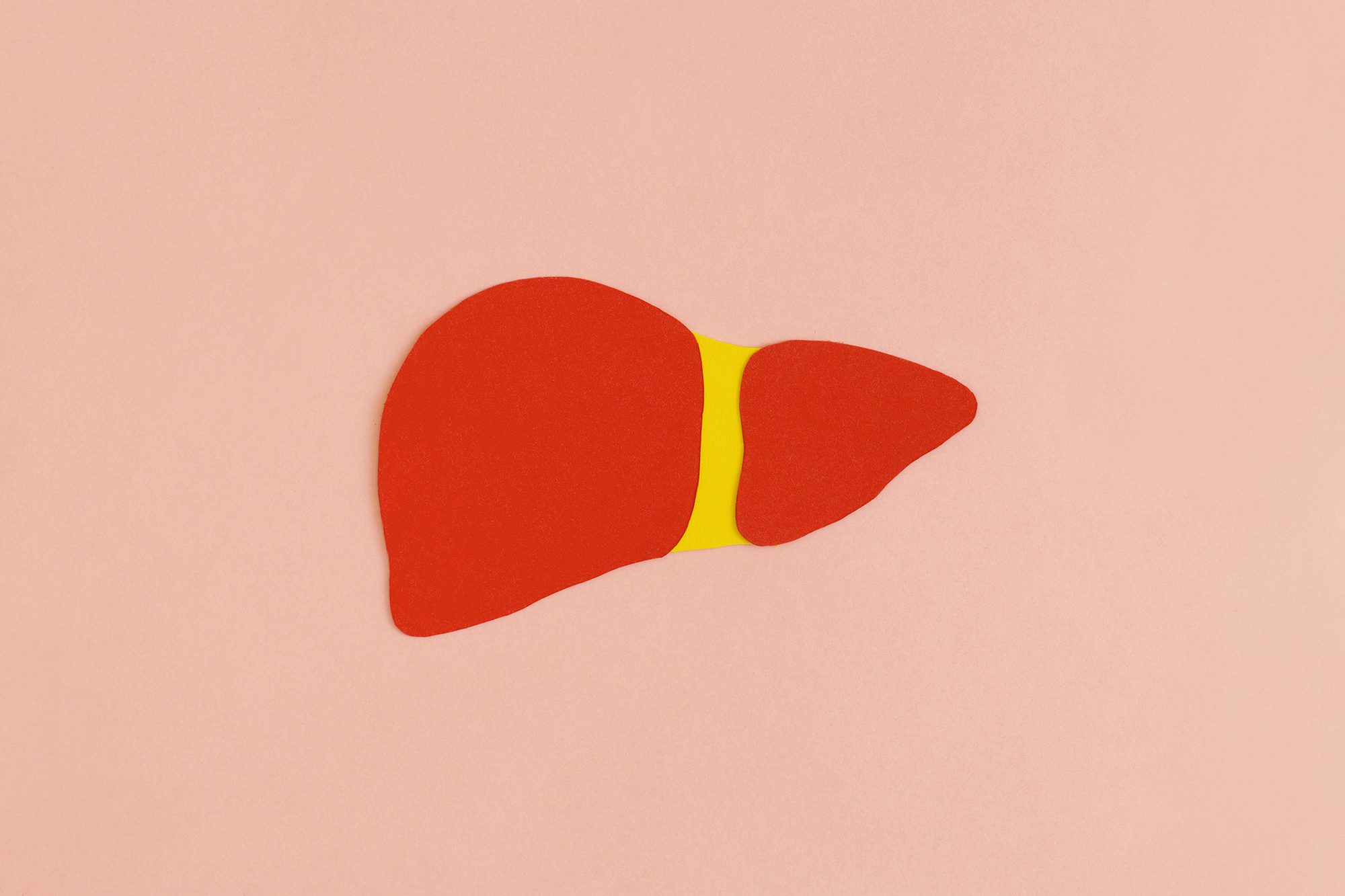
Common signs include:
- Mood swings or irritability
- Muscle tension (especially in the neck and shoulders)
- PMS or irregular cycles
- Digestive upset or bloating
- A sense of feeling “stuck” emotionally
Acupuncture and herbal medicine can help restore the Liver’s smooth flow of Qi—supporting emotional regulation and relaxation from the inside out.
How Acupuncture Eases Stress
Acupuncture works by stimulating specific points on the body to balance Qi and activate the parasympathetic (“rest and digest”) nervous system. Scientifically, acupuncture has been shown to affect levels of stress hormones and neurotransmitters that regulate mood.

For example, a 2021 review in Frontiers in Psychology found that acupuncture reduced stress-related symptoms and improved emotional well-being by influencing the hypothalamic-pituitary-adrenal (HPA) axis—the body’s central stress response system. Regular acupuncture sessions can help you:
- Calm the mind and reduce anxiety
- Improve sleep quality
- Ease tension headaches and muscle tightness
- Support digestion and immune function
- Increase resilience to future stress
You can learn more about the benefits of acupuncture for mood and energy here: Acupuncture for Stress and Anxiety.
Herbal Support for Emotional Balance
Chinese herbal medicine offers gentle, effective support for the body during times of emotional strain. Rather than masking symptoms, herbal formulas address the underlying imbalance causing stress, fatigue, or mood swings.
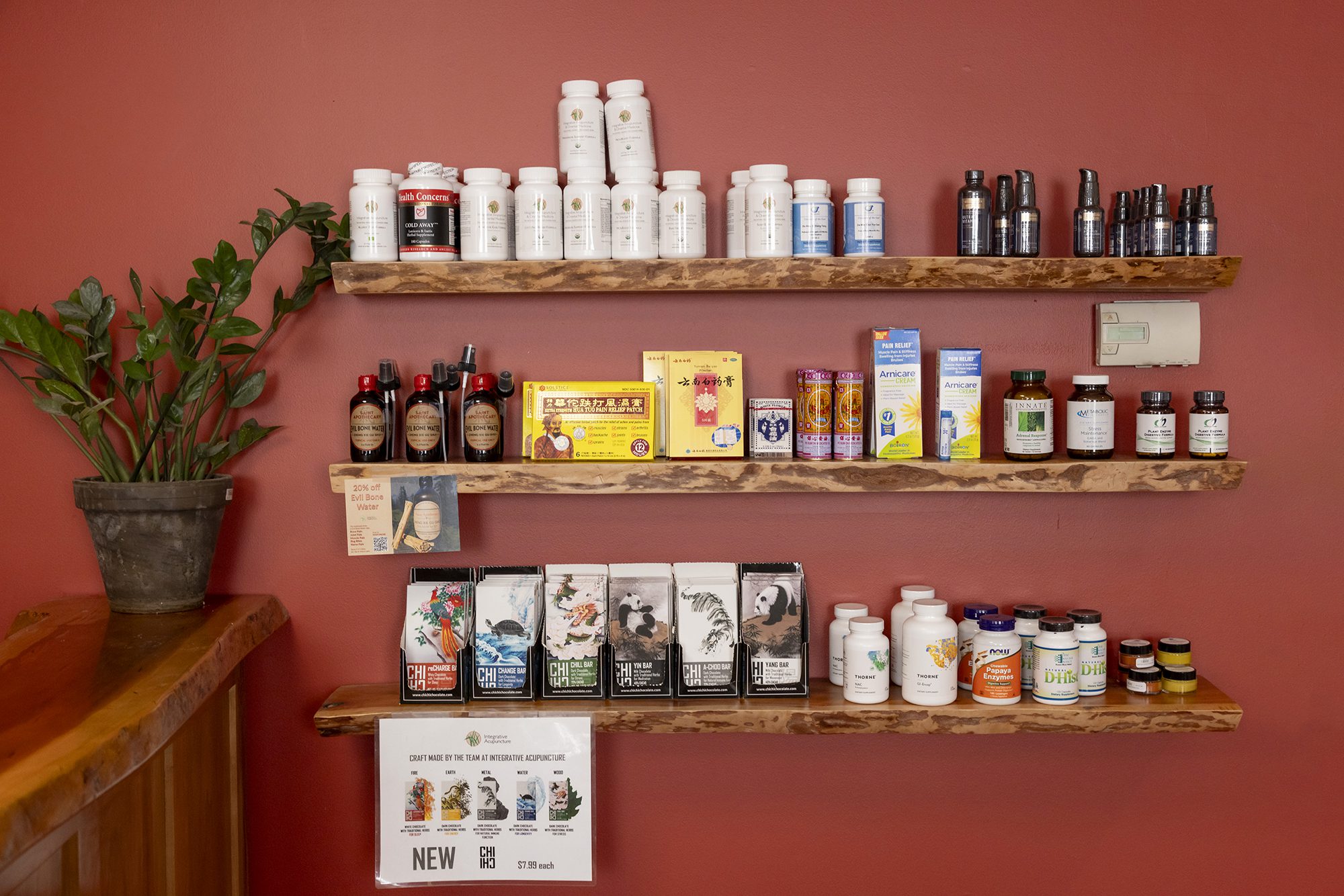
Some examples include:
- Xiao Yao San (Free and Easy Wanderer Powder) – One of the most famous formulas in TCM, it harmonizes the Liver and Spleen to relieve mood swings, tension, and digestive issues caused by stress.
- Gan Mai Da Zao Tang – Used for emotional exhaustion, anxiety, or restlessness with insomnia.
- Chai Hu Shu Gan San – Helps smooth Liver Qi flow, particularly for irritability, PMS, or digestive upset from tension.
Your practitioner will personalize any herbal formula to match your body’s constitution and current needs.
Lifestyle Tips for a Calm and Centered Holiday Season
Even small shifts in daily habits can help you stay balanced amid the holiday rush.
1. Breathe Mindfully
Take a few moments each day for deep, slow breathing. This simple act strengthens Lung Qi, calms the mind, and supports your body’s natural rhythm.

2. Eat Warm, Nourishing Foods
Favor cooked meals like soups and stews over cold salads or sweets. Warm, grounding foods strengthen the Spleen and reduce anxiety.

3. Stay Active—but Don’t Overdo It
Gentle movement such as tai chi, qigong, or yoga keeps Qi flowing smoothly and releases tension.
4. Set Boundaries
It’s okay to say no. In TCM terms, protecting your energy (Qi) prevents depletion and helps maintain emotional balance.
5. Prioritize Rest
Quality sleep restores Yin energy and helps the mind reset. If sleep issues arise, acupuncture and herbs can help regulate your sleep cycle naturally.
To read more about how acupuncture reduces stress and anxiety, check out our post scary stress calming the nervous system with acupuncture.
What Modern Research Says
Modern studies increasingly support the effectiveness of acupuncture and herbal medicine for managing stress and anxiety.
- A meta-analysis published in Complementary Therapies in Medicine (2023) found that acupuncture significantly reduced anxiety symptoms compared with control groups.
- Research on traditional herbal formulas, such as Xiao Yao San, shows potential for regulating neurotransmitters like serotonin and dopamine, contributing to mood stabilization
These findings echo what TCM has known for centuries: emotional health depends on the free, balanced flow of Qi throughout the body.
Finding Peace in the Season
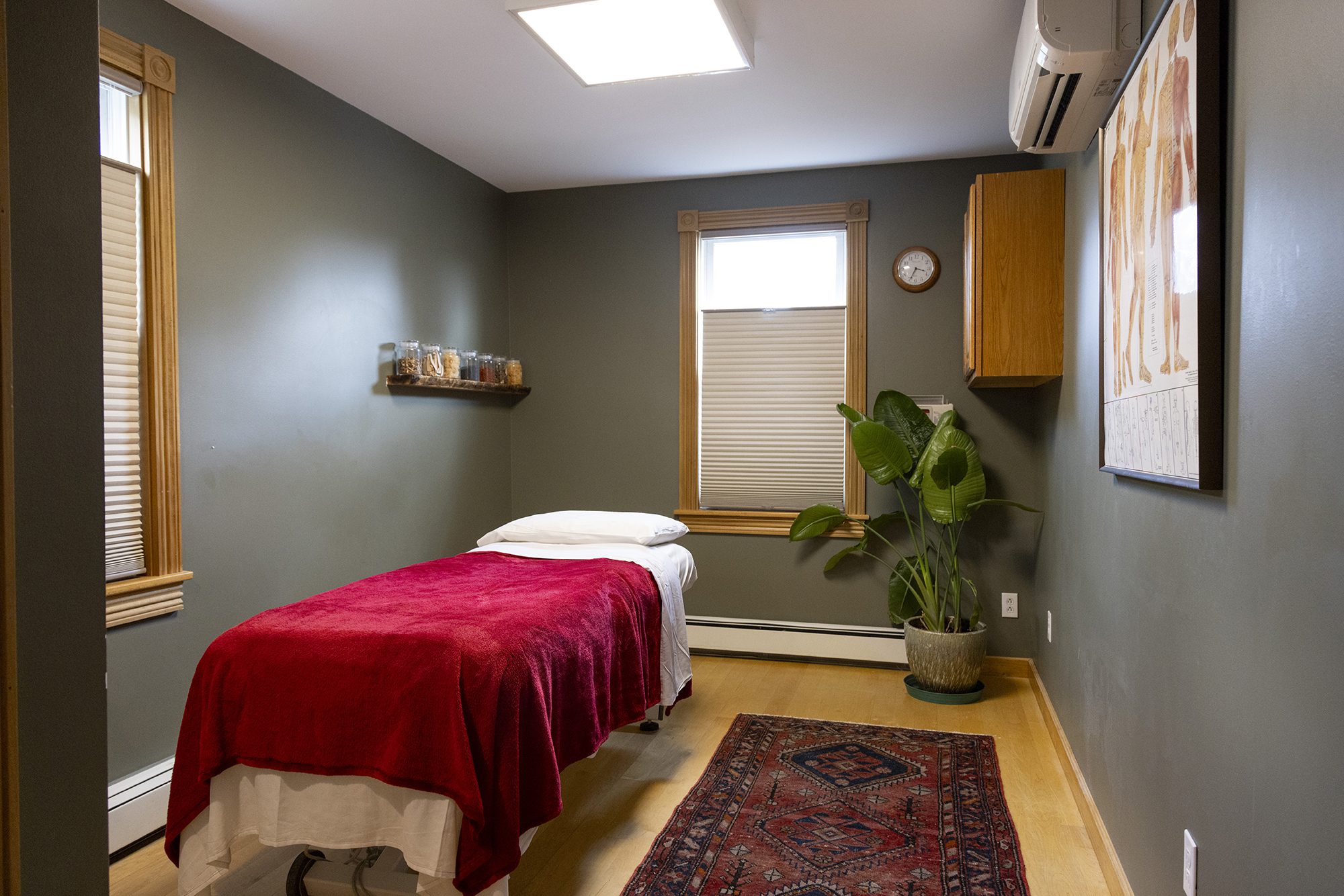
While the holidays can be joyful, they can also be demanding. Taking time for acupuncture, herbal medicine, and mindful self-care helps you meet the season with calm, clarity, and compassion—for yourself and others.
If you’re feeling frazzled or emotionally drained this winter, consider scheduling a seasonal acupuncture session at Integrative Acupuncture. Together, we can help you restore balance, release tension, and reconnect to a sense of inner peace—so you can truly enjoy the spirit of the holidays.